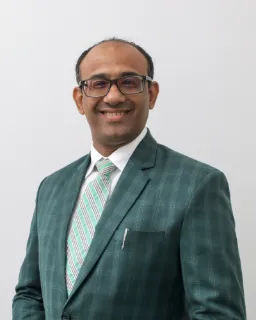
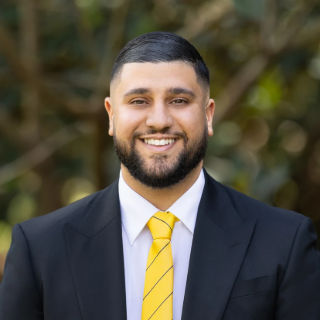
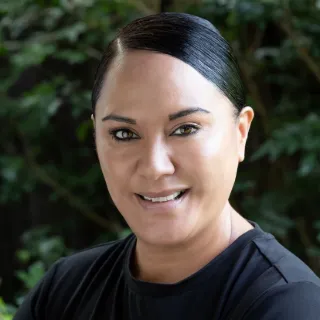
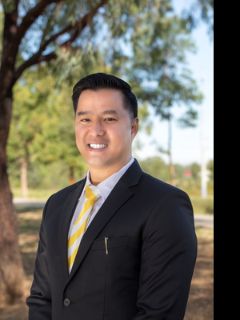
Peter Sutherland

3/78 Turner Street, Blacktown, NSW 2148
Contact Agent
2 2 1
Open Saturday 24 October 12:00 pm Auction Saturday 14 November 11:15 am ☰
☰
Originally home to the Darug people, the area became a site for the Native Institution in the early 19th century. It transitioned into a rural farming district before rapid suburbanization followed the expansion of the railway and post-WWII migration.
Today, Blacktown is one of Sydney's most populous and diverse suburbs, functioning as a major commercial and administrative center for the Greater West.
How this suburb feels day-to-day.
Dominant dwelling stock.
Typical entry to ceiling.
Blacktown is the engine room of Western Sydney. It offers a rare combination of 'city-level' amenities with price points that remain accessible to the middle-income workforce, making it a defensive asset in volatile markets.
$920k – $1,450k
$520k – $780k
12-month movement
Current asking rents
Price growth has been resilient due to the suburb's role as a primary destination for families priced out of the Inner West and Parramatta.
Price comparison
Median price ÷ median income
Estimated rental yield
While prices have risen, Blacktown remains a high-value proposition for buyers seeking land and infrastructure. It is significantly more affordable than nearby Seven Hills or Castle Hill.
Lower = tighter market
Avg time on market
Annual rental increase
Healthcare professionals, young families, and logistics workers.
Strong. The expansion of the hospital and the upcoming Blacktown Quarter will continue to drive professional tenant demand. Capital growth is supported by ongoing rezoning and infrastructure spend.
Expect steady outperformance of the broader Sydney market as the CBD transformation completes. Blacktown is evolving from a 'fringe' suburb to a genuine secondary CBD, which typically triggers a structural step-up in property values.
vs last 12 months
Relative comparison
Focus on the southern side of the railway line (South Blacktown) which is generally quieter. Avoid streets immediately adjacent to the transport interchange after dark.
Environmental risks are the primary long-term concern, specifically urban heat and localized flash flooding near Breakfast Creek.
Low to Medium risk; localized flooding occurs near Breakfast Creek and its tributaries during extreme rain events.
Low risk; the suburb is largely urbanized with minimal bushfire interface.
Premiums are rising due to storm risk and heat-related building stress; check specific flood overlays for properties near the creek.
Terrestrial Biodiversity and Flood Planning
Blacktown CBD core and the Main St precinct.
The Blacktown LEP 2015 is being updated to allow for higher densities in the CBD, creating opportunities for developers but potentially changing the character of central streets.
Excellent rail and bus interchange; easy access to M4 and M7.
High; Westpoint provides almost all retail needs, plus diverse local dining.
Good; Blacktown Showground and Featherdale Wildlife Park are major assets.
Mixed; Blacktown South Public is excellent, others are average.
Superior; Blacktown Hospital is a major regional facility.
A vibrant, multicultural community with a high proportion of young families and multi-generational households.
The young demographic ensures long-term demand for schools and childcare, while the diverse income base provides economic resilience.
The suburb is defined by the multi-billion dollar 'Blacktown Quarter' project.
Residents value the convenience and 'everything at your doorstep' nature of the suburb, though safety and summer heat are common complaints.
I can walk to the station, the hospital, and the mall. It's the most convenient place I've ever lived, even if it gets a bit rowdy at night.
We bought a house with a backyard for the price of a 1-bed apartment in the city. Best decision for our growing family.
Living 5 minutes from the hospital is a lifesaver. The new upgrades to the area are making it feel much more modern.
Rental demand is crazy, never a vacant day. But maintenance costs are high because of the older house stock.
The summers are brutal here. You really need good air conditioning and a pool if you can afford it.
The express train to Central is great, but parking at the station is a nightmare if you aren't there by 7am.
Position the property as a 'strategic foothold' in Sydney's fastest-growing corridor, emphasizing infrastructure proximity and the multi-billion dollar CBD renewal.
High-yield, low-vacancy play with significant infrastructure-led capital growth potential.
High maintenance on older cottages and potential oversupply of units in the CBD.
Unbeatable access to shopping and transport; diverse food scene.
Noise levels near the train line and Main Street can be high.
Ensure all smoke alarm and electrical safety checks are up to date as per NSW 2020 regulations.
The '15-Minute City' angle: Work, health, and retail all within a 15-minute walk.
Young families moving west for space and healthcare professionals.
This report is based on data available as of 2026-03-02 and is intended for informational purposes only. It does not constitute financial or investment advice. Buyers should conduct their own independent research and consult with legal and financial professionals before making any property purchase.
The size of Blacktown is approximately 15.9 square kilometres. It has 58 parks covering nearly 3.3% of total area. The predominant age group in Blacktown is 30-39 years. Households in Blacktown are primarily couples with children and are likely to be repaying $1800 - $2399 per month on mortgage repayments. In general, people in Blacktown work in a professional occupation. Currently the median sales price of houses in the area is $705,000.
Contact Agent
2 2 1
Open Saturday 24 October 12:00 pm Auction Saturday 14 November 11:15 am

A Fantastic Opportunity in a Prime South Blacktown Location

AUCTION, UNLESS SOLD PRIOR!
4 1 2
Open Tuesday 20 October 6:40 pm Auction Saturday 7 November 3:30 pm
Modern Family Living in the Heart of Blacktown


Spacious and comfortable Unit close to Station and shops
















Real Search makes searching for your new home easy with properties for sale in Blacktown NSW 2148 and properties for rent in Blacktown NSW 2148. Are you looking for specific type of property? Real Search has units for sale in Blacktown NSW 2148 and houses for sale in Blacktown NSW 2148. Real Search also provides 1 bedroom unit for sale in Blacktown NSW 2148, 2 bedroom unit for sale in Blacktown NSW 2148 & 3 bedroom unit for sale in Blacktown NSW 2148. Find best real estate agents in Blacktown NSW 2148. You can also check real estate agencies in Blacktown NSW 2148. Research the property market of Blacktown NSW 2148 with a property report and suburb profile report on Real Search.