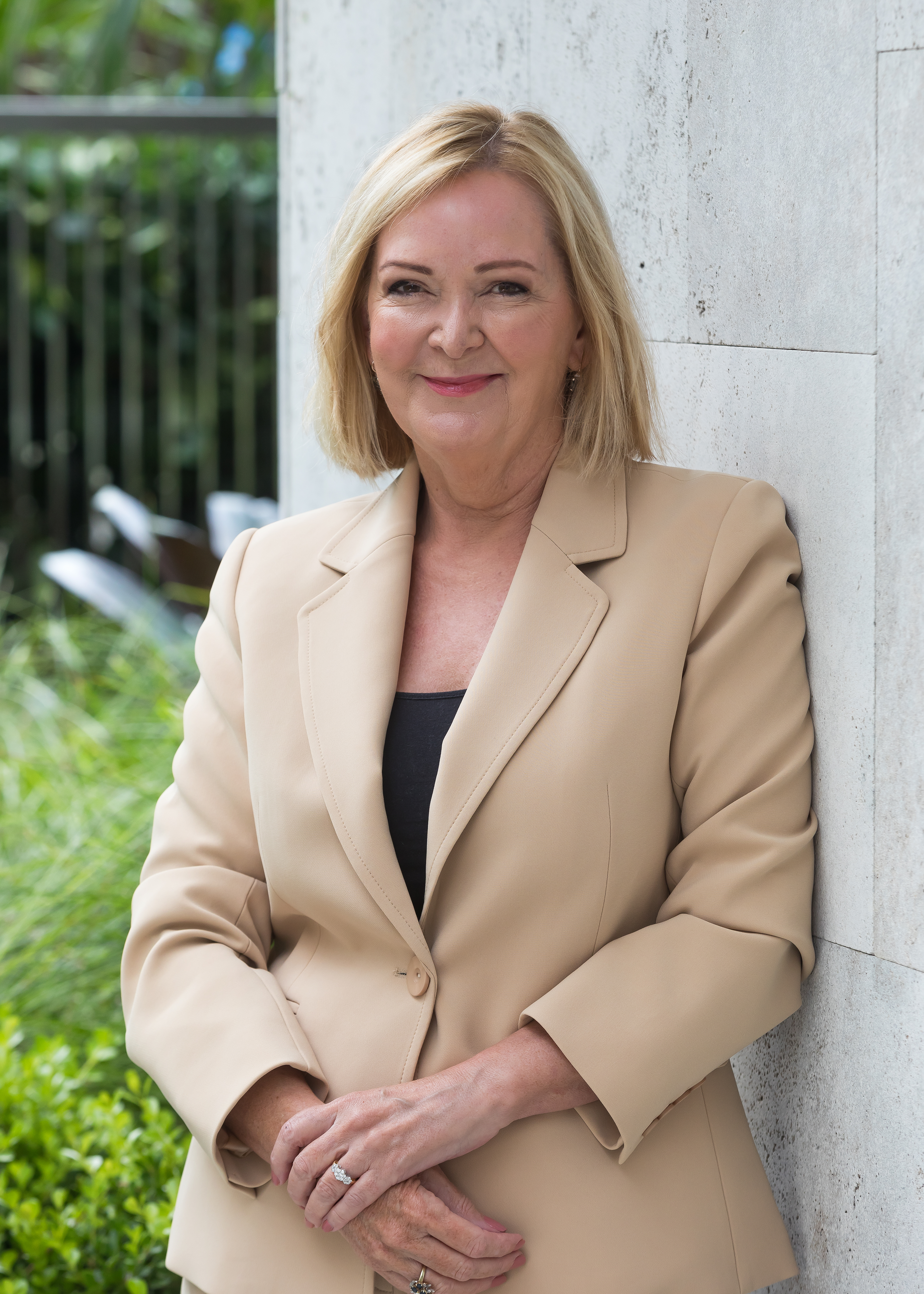
Riley Henson

5/29 Bando Road, Cronulla, NSW 2230
Auction, unless sold prior
2 1 1
Auction Wednesday 18 November 5:30 pm ☰
☰
Originally home to the Gweagal people, Cronulla became a popular holiday destination in the late 1800s. The extension of the railway line in 1939 transformed it from a weekend retreat into a permanent residential suburb.
A vibrant, high-amenity coastal hub characterized by a mix of luxury waterfront estates, high-density apartment living, and a thriving surf culture.
How this suburb feels day-to-day.
Dominant dwelling stock.
Typical entry to ceiling.
Cronulla is the only beach in Sydney where you can live without a car and still commute easily to the city. This makes it a unique asset class that attracts both lifestyle downsizers and young professional renters.
$2.4m – $8.5m+
$850k – $3.5m
12-month movement
Current asking rents
The high proportion of units reflects the suburb's density, while the house median is skewed by ultra-premium beachfront and 'South Cronulla' peninsula holdings.
Price comparison
Median price ÷ median income
Estimated rental yield
Cronulla is a premium market. While units provide an entry point, houses are increasingly out of reach for average earners, requiring significant equity or high dual incomes.
Lower = tighter market
Avg time on market
Annual rental increase
Young professionals, flight crew, and lifestyle-oriented singles/couples.
Strong capital growth prospects and negligible vacancy risk. However, low yields mean properties are typically negatively geared in the early years.
Expect continued outperformance relative to inland Sydney. The 'South Cronulla' pocket will likely see the highest appreciation as it transitions into a purely luxury enclave.
vs last 12 months
Relative comparison
Check proximity to late-night venues in the Mall if noise or foot traffic is a concern.
Primary risks are environmental and structural. Coastal erosion is a documented threat for beachfront titles, while older apartments often face significant maintenance backlogs.
Low risk of riverine flooding; moderate risk of flash flooding in low-lying streets during extreme storms.
Negligible risk for the main township.
Premiums are rising for beachfront properties due to sea-level rise projections in council planning.
Coastal Hazard Management, Heritage Conservation (limited), Height of Buildings (up to 30m in core).
Cronulla Central and the northern end of the beach (Elouera/Wanda).
Zoning allows for significant density, which can impact views and privacy for existing low-rise dwellings.
Excellent rail and bus links; ferry service to Bundeena.
World-class; beaches, cinemas, library, and extensive dining.
Gunnamatta Park and Dunningham Park provide high-quality green space.
Several well-regarded public and Catholic primary/secondary schools.
Proximity to Sutherland Hospital and extensive local GP/specialist clinics.
An affluent, educated population with a higher-than-average median age but a growing cohort of young professionals.
The stable owner-occupier base supports property prices, while the young renter demographic ensures high yields for unit investors.
Ongoing revitalization of the Cronulla Plaza and several high-end luxury apartment redevelopments.
Residents are fiercely loyal to the 'Shire' lifestyle, citing the ability to walk to the beach and train as the primary reasons for staying despite rising costs.
I can surf at 6 AM and be at my desk in the CBD by 8:30 AM. There's nowhere else in Sydney that offers this.
Great bars and food, but the Mall can get a bit rowdy on Saturday nights in summer.
I sold the car when I moved here. Everything I need—the doctor, the shops, and the ocean—is within 500 meters.
Love the schools and parks, but trying to find a park near the beach on a Sunday is a nightmare.
The rents are getting crazy. I'm paying a huge premium for an older apartment just to be near the water.
My unit has seen incredible growth and I've never had a week of vacancy in six years.
Position the property as a 'lifestyle investment' rather than just a home. Emphasize the rarity of the location and the walk-to-everything convenience.
High-capital-growth, low-yield play.
High entry price and rising strata costs in older blocks.
Unbeatable lifestyle and social scene.
High competition for rentals and limited parking for guests.
Ensure smoke alarms and window safety locks are compliant with NSW legislation.
The 'Only Beach with a Train' angle is still the most effective for out-of-area buyers.
Professional couples, active retirees, and high-income local families.
This report is for informational purposes only and does not constitute financial or legal advice. All data is based on available information as of March 2026 and is subject to change. Buyers should conduct their own independent due diligence.
Auction, unless sold prior
2 1 1
Auction Wednesday 18 November 5:30 pm

Auction, Unless Sold Prior
4 2 2
Auction Saturday 14 November 12:30 pm

Auction | Unless Sold Prior
3 2 2
Auction Saturday 21 November 9:30 am
Auction Guide $1,250,000
2 1 2
Open Wednesday 28 October 5:00 pm Auction Saturday 14 November 11:15 amSchools in this suburb, and the government school zones that cover the middle of it. A zone often covers only part of a suburb, so check an address on the property page.

















Real Search makes searching for your new home easy with properties for sale in Cronulla NSW 2230 and properties for rent in Cronulla NSW 2230. Are you looking for specific type of property? Real Search has units for sale in Cronulla NSW 2230 and houses for sale in Cronulla NSW 2230. Real Search also provides 1 bedroom unit for sale in Cronulla NSW 2230, 2 bedroom unit for sale in Cronulla NSW 2230 & 3 bedroom unit for sale in Cronulla NSW 2230. Find best real estate agents in Cronulla NSW 2230. You can also check real estate agencies in Cronulla NSW 2230. Research the property market of Cronulla NSW 2230 with a property report and suburb profile report on Real Search.