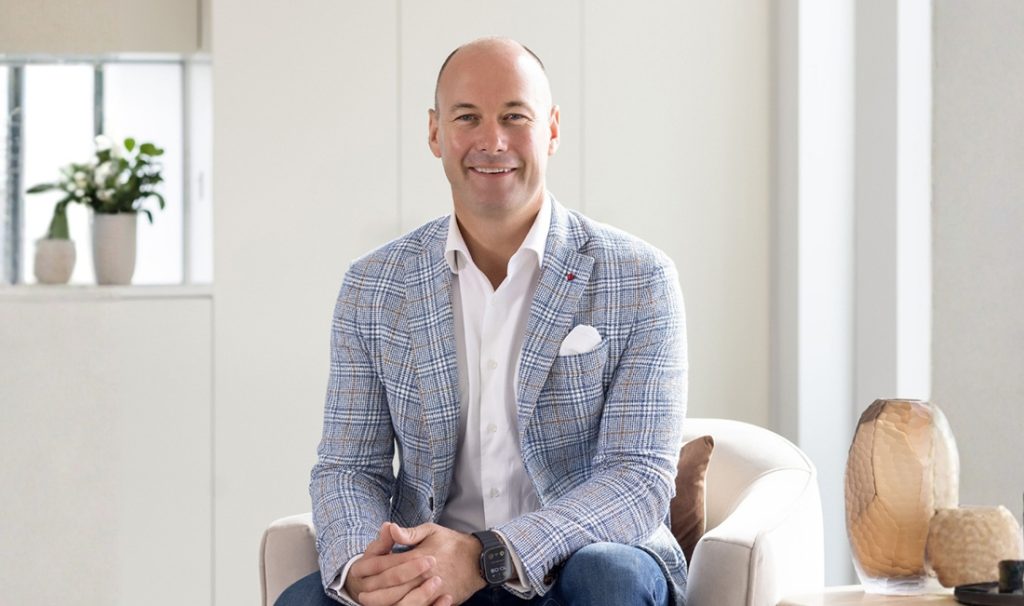
Nick Duchatel

37 South Creek Road, Dee Why, NSW 2099
Auction Tue 17 November at 6pm In Room
6 5 2
Auction Tuesday 17 November 6:00 pm ☰
☰
Originally used for grazing and salt works, the area saw its first major residential subdivision in 1911. It evolved from a quiet seaside village into the administrative and commercial heart of the Northern Beaches during the late 20th century.
A bustling 'mini-city' by the sea, characterized by high-density apartment living in the core and premium family residences on the surrounding slopes.
How this suburb feels day-to-day.
Dominant dwelling stock.
Typical entry to ceiling.
Dee Why serves as the functional 'capital' of the Northern Beaches. It offers the most accessible entry point for buyers wanting a coastal lifestyle without the extreme price tags of Manly or Freshwater, but requires careful navigation of strata quality and flood zones.
$2.2m – $4.8m
$780k – $1.6m
12-month movement
Current asking rents
The wide gap between house and unit medians reflects the suburb's dual nature: a high-density transit hub and a premium coastal residential enclave.
Price comparison
Median price ÷ median income
Estimated rental yield
While expensive relative to Greater Sydney, Dee Why remains the 'value' play for the Northern Beaches compared to neighbors like Curl Curl or Manly.
Lower = tighter market
Avg time on market
Annual rental increase
Young professionals commuting to the CBD and healthcare workers from the nearby Northern Beaches Hospital.
Strong long-term prospects due to high demand and limited new land supply. Focus on older units with renovation potential or modern blocks with low strata fees.
Expect moderate, steady growth as the suburb further gentrifies and the town center projects complete, solidifying its status as a primary regional hub.
vs last 12 months
Relative comparison
Check specific street lighting and proximity to late-night venues if purchasing in the central commercial district.
Environmental risks are the primary concern, specifically flooding in low-lying areas and the impact of coastal salt spray on building maintenance.
High risk in the 'basin' area near Pittwater Road and surrounding the Lagoon. Check council flood maps specifically.
Low risk for most of the suburb; some fringe areas near Stony Range Regional Botanic Garden may have minor exposure.
Expect higher premiums for properties in identified flood zones or within 200m of the shoreline.
Coastal Hazard, Flood Planning, Acid Sulfate Soils
Dee Why Town Centre (PCYC and Meriton sites)
Zoning is heavily skewed toward density in the center to preserve the character of surrounding beach suburbs.
B-Line bus service is the lifeline; car dependency is high for cross-peninsula travel.
Excellent; multiple supermarkets, medical centers, and a diverse range of international cuisines.
Abundant; Dee Why Beach, Ted Jackson Reserve, and the Stony Range Botanic Garden.
Dee Why Public is well-regarded; St Kevin's Catholic and nearby St Luke's Grammar are popular.
Well-served by local GPs and proximity to the Northern Beaches Hospital in Frenchs Forest.
A vibrant, multicultural population with a high proportion of young renters and established families on the hills.
The high rental population ensures a liquid investment market but can lead to higher turnover in apartment blocks.
The Dee Why Masterplan continues to transform the town center into a more pedestrian-friendly civic space.
Residents love the convenience and beach access but frequently complain about traffic and the 'over-development' of the central precinct.
I can walk to the beach in 10 minutes and the B-Line makes getting to the city for work actually bearable.
The apartment is great, but finding a park for my friends when they visit is a total nightmare.
The Strand has some of the best coffee and breakfast spots in Sydney, and the vibe on a Sunday morning is unbeatable.
It's becoming too crowded. The old beach charm is being replaced by glass towers and constant traffic jams.
Best point break in the area when the swell is right. Plus the ocean pool is perfect for laps.
Rent is high, but compared to Manly, I get a much newer apartment with better facilities for the same price.
Position the property as the ultimate 'lifestyle-meets-convenience' play. Focus on the '15-minute neighborhood' aspect where the beach, dining, and transport are all within a short walk.
High-yield potential in a suburb with a permanent supply-demand imbalance.
High strata levies in newer buildings and potential for oversupply in the high-density core.
Unbeatable access to beach lifestyle and high-frequency transport.
Street parking is extremely difficult for guests; noise from Pittwater Road can be significant.
Ensure all smoke alarm and window safety lock certifications are up to date, especially in older high-density blocks.
The 'Manly Lifestyle without the Manly Price Tag' remains the most effective hook for out-of-area buyers.
Young professional couples (25-40) and active downsizers from the North Shore.
This report is based on data available as of 2026-03-02 and is intended for informational purposes only. It does not constitute financial or legal advice. Buyers should conduct their own independent due diligence and consult with licensed professionals before making any property purchase.
Auction Tue 17 November at 6pm In Room
6 5 2
Auction Tuesday 17 November 6:00 pm

Auction Guide - $1,200,000
2 1 1
Open Wednesday 28 October 1:00 pm Auction Thursday 12 November 5:30 pm

Spacious Ground Floor Apartment with Private Wraparound Balcony
Beautifully Renovated Two-Bedroom Apartment in a Prime Dee Why Location
















Real Search makes searching for your new home easy with properties for sale in Dee Why NSW 2099 and properties for rent in Dee Why NSW 2099. Are you looking for specific type of property? Real Search has units for sale in Dee Why NSW 2099 and houses for sale in Dee Why NSW 2099. Real Search also provides 1 bedroom unit for sale in Dee Why NSW 2099, 2 bedroom unit for sale in Dee Why NSW 2099 & 3 bedroom unit for sale in Dee Why NSW 2099. Find best real estate agents in Dee Why NSW 2099. You can also check real estate agencies in Dee Why NSW 2099. Research the property market of Dee Why NSW 2099 with a property report and suburb profile report on Real Search.