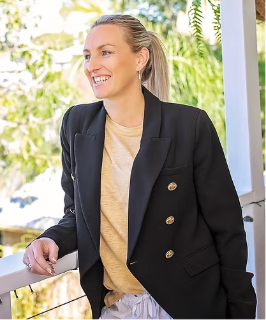
Mona Aghdam

10/15 Cottenham Street, Fairfield, Qld 4103
Auction
2 1 1
Open Sunday 25 October 11:00 am Auction Saturday 31 October 12:30 pm ☰
☰
Fairfield developed as a semi-rural farming area before transitioning to a residential suburb in the early 20th century. The arrival of the railway line spurred growth, leading to the construction of many iconic Queenslander and post-war homes. Its proximity to the Brisbane River has historically defined both its prestige and its vulnerability to major flood events in 1893, 1974, 2011, and 2022.
Today, Fairfield is a high-demand inner-south pocket popular with medical professionals, academics, and families seeking the Brisbane South State Secondary College catchment.
How this suburb feels day-to-day.
Dominant dwelling stock.
Typical entry to ceiling.
Fairfield offers a rare combination of inner-city convenience and a quiet, community-focused lifestyle. It is a strategic choice for families prioritizing education and professionals working in the nearby medical or academic precincts.
$1.2m – $3.5m
$480k – $850k
12-month movement
Current asking rents
The price gap between 'flood-affected' and 'flood-free' homes is widening, creating a two-tiered market within the same suburb.
Price comparison
Median price ÷ median income
Estimated rental yield
Fairfield is becoming increasingly expensive, particularly for houses on elevated land. Units remain a relatively affordable entry point for the inner-south.
Lower = tighter market
Avg time on market
Annual rental increase
Medical staff from PA Hospital, UQ students/academics, and young families.
Strong rental yields and low vacancy rates make it attractive, but investors must factor in high insurance costs and maintenance for character homes.
Expect robust growth for elevated properties and modern units, while flood-prone assets may see slower appreciation as buyers become more risk-averse.
vs last 12 months
Relative comparison
Check the QPS Online Crime Map for specific street-level data; most issues are opportunistic thefts near the shopping centre and rail line.
The primary threat is hydrological; Fairfield is one of Brisbane's most flood-vulnerable suburbs due to its river bend location and creek systems.
High risk. Significant portions of the suburb were inundated in 2011 and 2022. Overland flow is also a factor near Fairfield Gardens.
Negligible risk due to urban density and lack of contiguous bushland.
Critical concern. Expect high premiums for any property with a flood overlay. Some insurers may exclude flood cover entirely.
Traditional Building Character, Flood Overlay, Airport Environs.
Pockets near Fairfield Gardens and the train station are seeing increased townhouse and unit infill.
Character overlays prevent the demolition of pre-1947 homes, preserving the suburb's aesthetic but limiting development potential.
Excellent rail access and high-frequency bus routes along Fairfield Road.
Fairfield Gardens provides full-line supermarkets, specialty shops, and a library.
Abundant green space including Robinson Park and the Brisbane River loop.
Top-tier; access to BSSSC is a primary driver for property values.
World-class; walking distance or short drive to the Princess Alexandra (PA) Hospital.
A highly educated, professional demographic with a significant proportion of health and education workers.
The high rental population is driven by the nearby university and hospitals, providing a stable base for investors.
Infrastructure is dominated by the Cross River Rail project and the ongoing evolution of the PA Hospital precinct.
Residents love the convenience and leafy atmosphere but remain cautious about the river's proximity. There is a strong sense of community, especially post-flood recovery.
I walk to work at the PA Hospital in 15 minutes. The convenience is unbeatable, though the 2022 floods were a tough time for the street.
The new station upgrade is a game changer. I can be in the city in 10 minutes, and I don't even need a car for groceries.
We moved here specifically for the BSSSC catchment. It's saved us a fortune in private school fees and the school is fantastic.
The rental demand is incredible, but my insurance premiums have tripled since 2022. It's eating into the yield significantly.
Walking along the river every morning is beautiful. It's a quiet suburb despite being so close to the action.
Renting an apartment here is perfect for UQ. The Green Bridge is just a short bike ride away.
Position the property as a strategic lifestyle investment that balances CBD proximity with elite education access. For flood-affected homes, focus on resilience features and the high rental yield potential.
High-yield opportunity in the unit market or long-term capital growth in 'dry' house pockets.
Insurance non-renewability and potential for capital loss during major flood cycles.
Quiet streets, great transport, and close to major employment hubs.
Limited street parking near the train station and hospital precincts.
Standard QLD smoke alarm and safety switch regulations apply; ensure flood evacuation plans are provided to tenants.
The 'Education & Connectivity' hub of the Inner-South.
Medical professionals, academic families, and risk-aware investors.
This report is for informational purposes only and does not constitute financial or legal advice. Property data is based on 2026 projections and historical trends. Buyers should conduct their own independent due diligence, particularly regarding flood risk and insurance.
Auction
2 1 1
Open Sunday 25 October 11:00 am Auction Saturday 31 October 12:30 pmSchools in this suburb, and the government school zones that cover the middle of it. A zone often covers only part of a suburb, so check an address on the property page.





















Real Search makes searching for your new home easy with properties for sale in Fairfield QLD 4103 and properties for rent in Fairfield QLD 4103. Are you looking for specific type of property? Real Search has units for sale in Fairfield QLD 4103 and houses for sale in Fairfield QLD 4103. Real Search also provides 1 bedroom unit for sale in Fairfield QLD 4103, 2 bedroom unit for sale in Fairfield QLD 4103 & 3 bedroom unit for sale in Fairfield QLD 4103. Find best real estate agents in Fairfield QLD 4103. You can also check real estate agencies in Fairfield QLD 4103. Research the property market of Fairfield QLD 4103 with a property report and suburb profile report on Real Search.