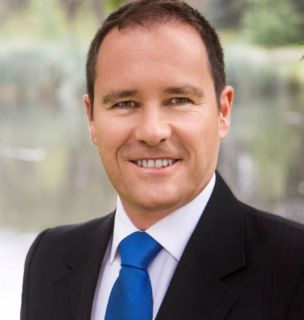
Jordan Wilson

Lot 1411 Sugarloaf Rise, Nar Nar Goon North, Vic 3812
$890,300 - Fixed Price - Full Turnkey Inclusions
5 2 2
 ☰
☰
The area was originally dense scrub and forest used for timber and dairy farming. Over the 20th century, it transitioned from large-scale agriculture to smaller lifestyle holdings and equestrian properties. It has maintained its rural character despite the massive urban expansion of nearby Pakenham.
A quiet, low-density community dominated by hobby farms, luxury rural retreats, and significant equestrian facilities.
How this suburb feels day-to-day.
Dominant dwelling stock.
Typical entry to ceiling.
It serves as a 'buffer' suburb between the Pakenham urban growth corridor and the wilderness of the state forest. It attracts buyers who want the convenience of the city's edge without the density of new housing estates.
$1.3m – $2.8m
N/A
12-month movement
Current asking rents
Prices are highly sensitive to land size and quality of infrastructure (stables, arenas, fencing). The lack of units or townhouses keeps the median high and the market exclusive.
Price comparison
Median price ÷ median income
Estimated rental yield
Affordability is low for first-home buyers; this is primarily an 'upgrader' or 'lifestyle' market where buyers bring significant equity.
Lower = tighter market
Avg time on market
Annual rental increase
Professional families relocating for lifestyle or temporary corporate placements.
Low yield but high land value appreciation. Not a traditional investment suburb; better suited to long-term land banking.
Expect steady capital growth as the urban boundary of Pakenham hardens, making existing rural lots increasingly rare and desirable.
vs last 12 months
Relative comparison
Ensure outbuildings and farm equipment are secured, as rural areas can be targets for opportunistic theft of machinery.
Environmental factors are the primary concern, specifically bushfire and land management constraints.
Low risk for most elevated areas, though some drainage lines near the creek can experience localized inundation.
High risk. Much of the suburb is within a Bushfire Management Overlay (BMO).
Expect higher-than-average premiums for fire cover; some insurers may have strict requirements for vegetation clearance.
Bushfire Management Overlay (BMO), Significant Landscape Overlay (SLO)
None; development is strictly controlled to maintain rural character.
Zoning prevents the suburb from becoming a standard residential estate, protecting long-term value but limiting development options.
Poor; car is essential. Nearest rail is Nar Nar Goon or Pakenham.
Low; requires 10-15 minute drive for supermarkets and services.
Excellent; direct access to nature trails and Bunyip State Park.
Fair; Nar Nar Goon Primary is well-regarded, but secondary options are distant.
Moderate; major hospitals located in Berwick or Pakenham.
A stable, affluent community of families and older couples who value privacy and outdoor space.
The high owner-occupancy rate ensures properties are generally very well-maintained and community ties are strong.
No major developments within the suburb itself due to zoning, but massive growth nearby.
Residents are fiercely protective of the rural character and enjoy the peace and quiet, though they acknowledge the necessity of driving for everything.
There is nothing like waking up to the mist over the hills and no traffic noise. It is the perfect place for our horses.
The land is great but be prepared for the work. Fencing and weeds take up every weekend.
The drive to the city is getting longer every year as Pakenham grows. You need a reliable car.
Position the property as a 'sanctuary' that offers a lifestyle impossible to find in the nearby new estates. Focus on the 'scarcity' of Green Wedge land.
Land banking for long-term capital growth rather than rental yield.
High holding costs, limited tax depreciation on older rural dwellings, and strict land-use laws.
Unmatched privacy and space for pets or hobbies.
High heating costs in winter and total lack of public transport.
Ensure the septic system is serviced according to council regulations (usually every 3 years).
The 'Ultimate Tree Change' without leaving the metropolitan fringe.
Established families, equestrian enthusiasts, and retiring farmers.
This report is based on data available as of March 2026 and is intended for informational purposes only. It does not constitute financial or legal advice. Buyers should conduct their own independent investigations and consult with qualified professionals before making any property purchase.
$890,300 - Fixed Price - Full Turnkey Inclusions
5 2 2
$741,498 - Fixed Price - Full Turnkey Inclusions
4 2 2
Schools in this suburb, and the government school zones that cover the middle of it. A zone often covers only part of a suburb, so check an address on the property page.






















Real Search makes searching for your new home easy with properties for sale in Nar Nar Goon North VIC 3812 and properties for rent in Nar Nar Goon North VIC 3812. Are you looking for specific type of property? Real Search has units for sale in Nar Nar Goon North VIC 3812 and houses for sale in Nar Nar Goon North VIC 3812. Real Search also provides 1 bedroom unit for sale in Nar Nar Goon North VIC 3812, 2 bedroom unit for sale in Nar Nar Goon North VIC 3812 & 3 bedroom unit for sale in Nar Nar Goon North VIC 3812. Find best real estate agents in Nar Nar Goon North VIC 3812. You can also check real estate agencies in Nar Nar Goon North VIC 3812. Research the property market of Nar Nar Goon North VIC 3812 with a property report and suburb profile report on Real Search.