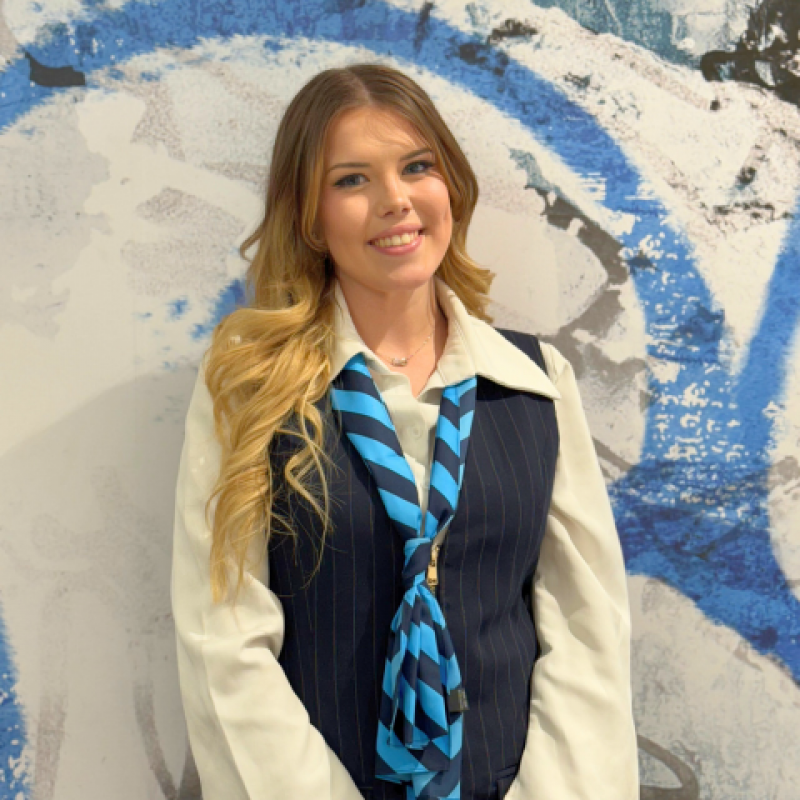
Mario Tucci

27/90 Edgars Road, Thomastown, Vic 3074
Auction – ISP: $490,000 to $539,000
3 1 2
Open Monday 19 October 5:45 pm Auction Saturday 14 November 9:30 am ☰
☰
Originally a lush agricultural area known for German and English settlers, Thomastown transformed into a major industrial and residential center post-WWII. It became a primary destination for Southern European migration in the 1950s, shaping its current cultural fabric.
A multicultural working-class suburb undergoing a slow transition as younger families seek value outside of Preston and Reservoir.
How this suburb feels day-to-day.
Dominant dwelling stock.
Typical entry to ceiling.
Thomastown serves as a critical entry point for families and investors looking for freehold land under $800,000 while maintaining a direct rail link to the city.
$680k – $880k
$420k – $590k
12-month movement
Current asking rents
Prices have stabilized after the post-pandemic surge, making it a lower-volatility market compared to the inner north.
Price comparison
Median price ÷ median income
Estimated rental yield
Thomastown remains highly affordable for dual-income families, though rising interest rates have compressed the borrowing power of its core demographic.
Lower = tighter market
Avg time on market
Annual rental increase
Young families, essential workers, and multi-generational migrant households.
Strong rental yields and low vacancy rates make it a safe 'cash-flow' play, though capital growth is slower than neighboring Reservoir.
Expect moderate capital growth as the suburb's 'rougher' edges are smoothed out by new townhouse developments and retail revitalization.
vs last 12 months
Relative comparison
Prioritize properties with secure fencing, alarm systems, and off-street parking. Check specific street data on the Crime Statistics Agency portal.
The primary risks involve environmental factors from the industrial sector and the structural integrity of older homes.
Low risk generally, but check Land Subject to Inundation Overlays (LSIO) near Edgars Creek.
Negligible risk due to urban density.
Standard premiums apply, though some areas near industrial zones may see slight loading for environmental risks.
Development Contributions Plan Overlay (DCPO), Land Subject to Inundation Overlay (LSIO).
Areas surrounding Thomastown Station and the High Street shopping strip.
Zoning allows for moderate densification, making 600sqm+ blocks attractive for multi-unit development (STCA).
Excellent rail and road links; bus routes service the internal pockets well.
High Street offers diverse groceries; TRAC is a standout for families.
Main Drive Park and Edgars Creek provide decent green space, though some areas feel concrete-heavy.
Functional but not high-achieving; many residents look to Bundoora or Epping for schooling.
Close proximity to Northern Hospital in Epping (approx. 10 mins drive).
A culturally rich, established community with a significant Southern European and increasingly Middle Eastern and Asian population.
The high rate of outright ownership among older residents suggests a stable community with potential for intergenerational wealth transfer into local real estate.
Focus is on the Thomastown Activity Centre Plan and transit-oriented development.
Residents value the suburb for its convenience and community ties but express concerns over safety and the aesthetics of industrial areas.
I've seen it change so much, but the neighbors still look out for each other and the shops have everything I need.
It was the only place we could afford a house with a backyard near a train station, but the hoons at night are annoying.
The pool (TRAC) is amazing for the kids, but I wish the local high school had a better reputation.
Position the property as a 'strategic land hold' or a 'perfect starter' that beats renting. Emphasize the walking distance to the station.
High yield potential with low vacancy in a suburb that is 'too close to the city to fail' long-term.
Lower capital growth compared to the eastern suburbs and potential for high maintenance costs on older stock.
Great transport and affordable rents for the space you get.
Some pockets feel isolated at night; check the walk from the station.
Strict adherence to Victoria's 2021 rental minimum standards is mandatory; expect audits on older properties.
Focus on 'The 17km CBD Radius' and 'Unbeatable Transport Connectivity'.
First home buyers, multi-generational families, and small-scale developers.
This report is for informational purposes only and does not constitute financial or legal advice. Data is based on 2026 projections and historical trends. Buyers should conduct their own independent research and seek professional advice before purchasing.
Auction – ISP: $490,000 to $539,000
3 1 2
Open Monday 19 October 5:45 pm Auction Saturday 14 November 9:30 am

$750,000 - $800,000
3 1 2
Open Thursday 22 October 5:30 pm Auction Saturday 14 November 2:00 pm
Auction – ISP: $720,000 to $792,000
4 3 2
Open Saturday 31 October 11:00 am Auction Saturday 14 November 2:15 pm

Contact Agent
2 1 2
Open Wednesday 21 October 5:45 pm Auction Saturday 7 November 10:30 am
Auction – ISP: $480,000 to $525,000
2 1 2
Open Monday 19 October 5:00 pm Auction Saturday 7 November 9:30 amSchools in this suburb, and the government school zones that cover the middle of it. A zone often covers only part of a suburb, so check an address on the property page.



















Real Search makes searching for your new home easy with properties for sale in Thomastown VIC 3074 and properties for rent in Thomastown VIC 3074. Are you looking for specific type of property? Real Search has units for sale in Thomastown VIC 3074 and houses for sale in Thomastown VIC 3074. Real Search also provides 1 bedroom unit for sale in Thomastown VIC 3074, 2 bedroom unit for sale in Thomastown VIC 3074 & 3 bedroom unit for sale in Thomastown VIC 3074. Find best real estate agents in Thomastown VIC 3074. You can also check real estate agencies in Thomastown VIC 3074. Research the property market of Thomastown VIC 3074 with a property report and suburb profile report on Real Search.