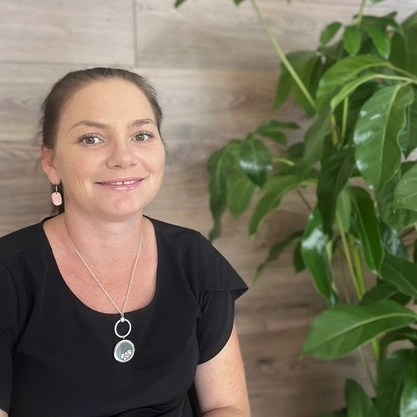
Jamie Wood

63 The Esplanade, Thompson Beach, SA 5501
Auction Online | Unless Sold Prior
Auction Friday 13 November 11:00 am
 ☰
☰
Originally a small collection of fishing shacks, the area was formally recognized as a suburb in the 1990s to manage coastal development. It is situated within the Adelaide International Bird Sanctuary National Park (Winaityinaityi Pangkara), which was established to protect migratory shorebirds. The settlement has remained intentionally small to minimize environmental impact on the fragile samphire ecosystem.
A quiet, non-commercial residential settlement characterized by elevated houses and a strong sense of isolation. It attracts retirees, birdwatchers, and weekenders who value the absence of streetlights, shops, and traffic.
How this suburb feels day-to-day.
Dominant dwelling stock.
Typical entry to ceiling.
Thompson Beach represents a disappearing type of 'shack' culture that has transitioned into permanent residential living. It offers a unique off-grid feel while remaining within commuting distance of Adelaide's northern fringes, making it a specific target for lifestyle buyers rather than traditional families.
$450k – $650k
N/A (No units in suburb)
12-month movement
Current asking rents
Prices have risen significantly since 2021 as buyers sought affordable lifestyle changes, but the market remains thin with low liquidity.
Price comparison
Median price ÷ median income
Estimated rental yield
While the purchase price is low, owners must factor in higher maintenance costs for water cartage (in drought) and salt-air property protection.
Lower = tighter market
Avg time on market
Annual rental increase
Mainly older singles or couples seeking a quiet retreat; very few families.
Poor for long-term rentals due to low demand and maintenance issues. Better suited to short-term holiday rental (Airbnb) if managed correctly, though seasonal.
Growth is expected to be modest and lag behind the Two Wells growth hub. The suburb will remain a niche market where value is tied to environmental preservation rather than infrastructure development.
vs last 12 months
Relative comparison
The main safety concern is environmental (tides/snakes) rather than criminal. Standard home security is usually sufficient.
The primary risks are environmental and logistical rather than social. Coastal hazards are the dominant factor for long-term asset protection.
High risk of coastal inundation during storm surges; many properties are located in a flood hazard zone.
Moderate risk from surrounding samphire and scrublands; managed via the Adelaide Plains Council fire prevention plans.
Increasingly difficult to obtain affordable flood cover; some insurers may exclude coastal inundation.
Coastal Flooding, Hazards (Bushfire - Medium), Native Vegetation
None; development is strictly controlled to protect the bird sanctuary.
Strict zoning ensures the suburb's character is preserved but severely limits the potential for subdivision or commercial growth.
Poor; car is essential. No public transport.
Very Poor; no shops or services within the suburb.
Excellent; immediate access to National Park and beach.
Poor; 15-20 minute drive to nearest schools.
Poor; nearest GP in Two Wells or Mallala.
A small, aging population that values privacy and nature. High rates of outright home ownership.
The demographic profile suggests a community that is not sensitive to school zones or nightlife, but highly sensitive to local environmental management.
No major developments planned within the suburb due to environmental protections. Regional growth is focused inland.
Residents are fiercely protective of their quiet lifestyle and the bird sanctuary. There is a high level of satisfaction among those who enjoy solitude, but it is recognized as a 'tough' place for those unprepared for maintenance.
If you love birds and silence, there is nowhere better. You just have to get used to checking your water tanks.
The crabbing is world-class. It's our perfect escape from Adelaide, though the lack of a local shop for milk is annoying.
Too remote for us once we had kids. The drive to school and shops every day became exhausting.
Position the property as an 'exclusive eco-retreat' rather than a standard residential home. Emphasize the unique location within a National Park.
Limited for traditional long-term rentals.
High maintenance, low tenant pool, and climate risk affecting resale.
Extremely quiet and safe; unique beach access.
No local services; isolation can be challenging in winter.
Must meet SA rental standards regarding water supply and sanitation, which can be complex in off-grid areas.
Off-grid coastal living; Birdwatcher's paradise; The ultimate crabbing spot.
Retirees, environmentalists, and weekenders seeking solitude.
This report is based on projected data for March 2026 and is intended for informational purposes only. Thompson Beach is subject to significant environmental risks. Potential buyers must conduct independent professional inspections and consult with the Adelaide Plains Council regarding coastal hazard overlays before proceeding with a purchase.
Auction Online | Unless Sold Prior
Auction Friday 13 November 11:00 am
Auction Online | Unless Sold Prior
Auction Friday 30 October 11:00 am
















Real Search makes searching for your new home easy with properties for sale in Thompson Beach SA 5501 and properties for rent in Thompson Beach SA 5501. Are you looking for specific type of property? Real Search has units for sale in Thompson Beach SA 5501 and houses for sale in Thompson Beach SA 5501. Real Search also provides 1 bedroom unit for sale in Thompson Beach SA 5501, 2 bedroom unit for sale in Thompson Beach SA 5501 & 3 bedroom unit for sale in Thompson Beach SA 5501. Find best real estate agents in Thompson Beach SA 5501. You can also check real estate agencies in Thompson Beach SA 5501. Research the property market of Thompson Beach SA 5501 with a property report and suburb profile report on Real Search.