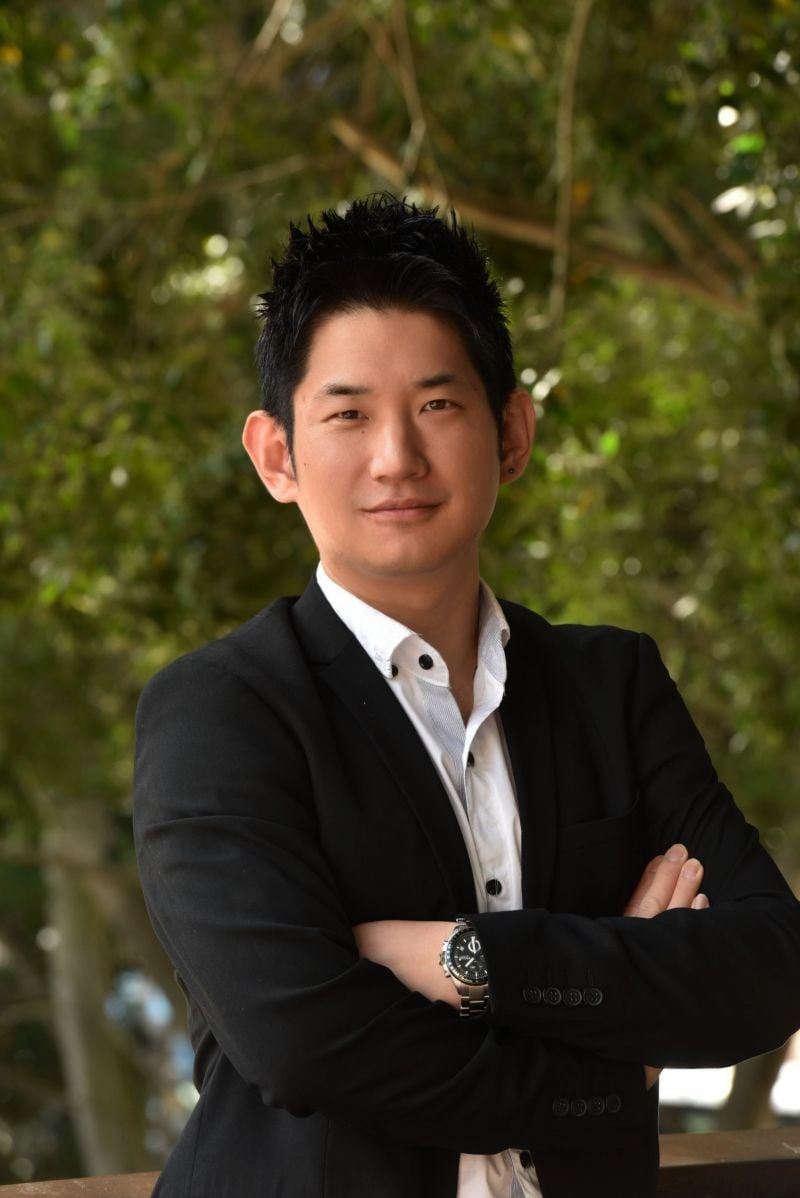
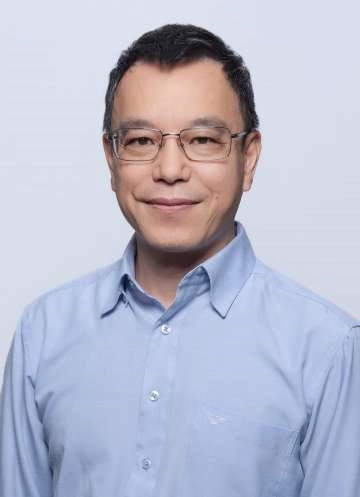
Sion Nattress

448 Wattle Street, Ultimo, NSW 2007
Auction
4 3 1
Open Saturday 17 October 1:15 pm Auction Saturday 21 November 1:00 pm ☰
☰
Originally a site for heavy industry and wool storage, Ultimo was dominated by massive sandstone woolstores and the Pyrmont Power Station. The suburb underwent significant urban renewal in the 1980s and 90s, transitioning from industrial decay to a high-density residential and educational precinct.
Today, Ultimo is a vibrant, high-density hub characterized by its student population, tech startups, and repurposed industrial architecture. It serves as a critical link between the CBD and the inner west.
How this suburb feels day-to-day.
Dominant dwelling stock.
Typical entry to ceiling.
Ultimo is the engine room of Sydney's education and tech sector. For buyers, it offers a lifestyle of convenience where a car is entirely optional, though it requires a tolerance for high-density living.
$1.5m – $2.4m
$680k – $1.4m
12-month movement
Current asking rents
The market is dominated by units. House data is often skewed by the very low volume of terrace sales. Investors should focus on 1 and 2-bedroom unit performance.
Price comparison
Median price ÷ median income
Estimated rental yield
While entry prices for units are accessible compared to houses, the price per square metre is high. Strata costs significantly impact monthly affordability.
Lower = tighter market
Avg time on market
Annual rental increase
International students, university staff, and young CBD professionals.
Extremely stable due to the proximity to UTS and USyd. Capital growth is moderate, but cash flow is typically superior to outer suburbs.
Steady growth anticipated as the Tech Central precinct matures, cementing Ultimo as a primary residential choice for the innovation sector.
vs last 12 months
Relative comparison
Check building security features and secure basement parking. Most crime is opportunistic theft related to the high foot traffic.
Primary risks involve building integrity in older high-rises and the financial burden of heritage maintenance.
Low risk; some localized flash flooding in low-lying streets during extreme events.
Nil
Generally available, but premiums are rising for buildings with cladding history or high-density risks.
Heritage Conservation Area, High Density
Central Precinct, Powerhouse Museum redevelopment site.
Zoning allows for significant density, which protects land value but can lead to overshadowing and construction noise.
World-class; light rail, multiple bus routes, and walking distance to Central Station.
High; Broadway Shopping Centre and Chinatown are minutes away.
Moderate; Wentworth Park and the Goods Line provide green relief.
Good; Ultimo Public School is a flagship vertical school.
Excellent; close to Royal Prince Alfred (RPA) Hospital.
A young, educated, and multicultural population with a high proportion of non-family households.
The demographic profile ensures high rental liquidity but can result in a less cohesive 'neighborhood' feel compared to suburban areas.
The Tech Central project is the most significant driver, aiming to turn the area into a global innovation hub.
Residents love the convenience and 'energy' of the suburb but often complain about the noise and the cost of strata living.
I haven't owned a car in three years. Everything I need is within a 10-minute walk.
The apartment is great, but the quarterly levies for the woolstore maintenance are eye-watering.
Living next to UTS is perfect. The library is my second home and the food options are endless.
I've never had a vacancy longer than a week. The demand from students is relentless.
The new school is amazing, but finding a park or a quiet spot for a pram is a challenge.
We moved from the suburbs to be closer to the theatre and galleries. It's a different pace of life.
Position the property as a 'strategic urban asset' that offers both lifestyle utility and defensive rental income in a supply-constrained CBD fringe.
High-yield, low-vacancy play focused on the education and tech sectors.
High strata levies eating into net yield; potential for legislative changes regarding student visas.
Unrivalled access to city life and education.
Noise, small living spaces, and competitive rental market.
Ensure strict adherence to smoke alarm and window safety lock regulations in high-density blocks.
The '15-minute city' lifestyle and the future of Tech Central.
First home buyers (professionals), parents buying for university-aged children, and yield-focused investors.
This report is based on data available as of 2026-03-13 and is intended for informational purposes only. It does not constitute financial or legal advice. Buyers should conduct their own independent due diligence and seek professional advice before making any property purchase.
Auction
4 3 1
Open Saturday 17 October 1:15 pm Auction Saturday 21 November 1:00 pm

Buyer's guide $850,000
3 1 2
Open Thursday 22 October 1:00 pm Auction Saturday 24 October 9:30 am






Real Search makes searching for your new home easy with properties for sale in Ultimo NSW 2007 and properties for rent in Ultimo NSW 2007. Are you looking for specific type of property? Real Search has units for sale in Ultimo NSW 2007 and houses for sale in Ultimo NSW 2007. Real Search also provides 1 bedroom unit for sale in Ultimo NSW 2007, 2 bedroom unit for sale in Ultimo NSW 2007 & 3 bedroom unit for sale in Ultimo NSW 2007. Find best real estate agents in Ultimo NSW 2007. You can also check real estate agencies in Ultimo NSW 2007. Research the property market of Ultimo NSW 2007 with a property report and suburb profile report on Real Search.