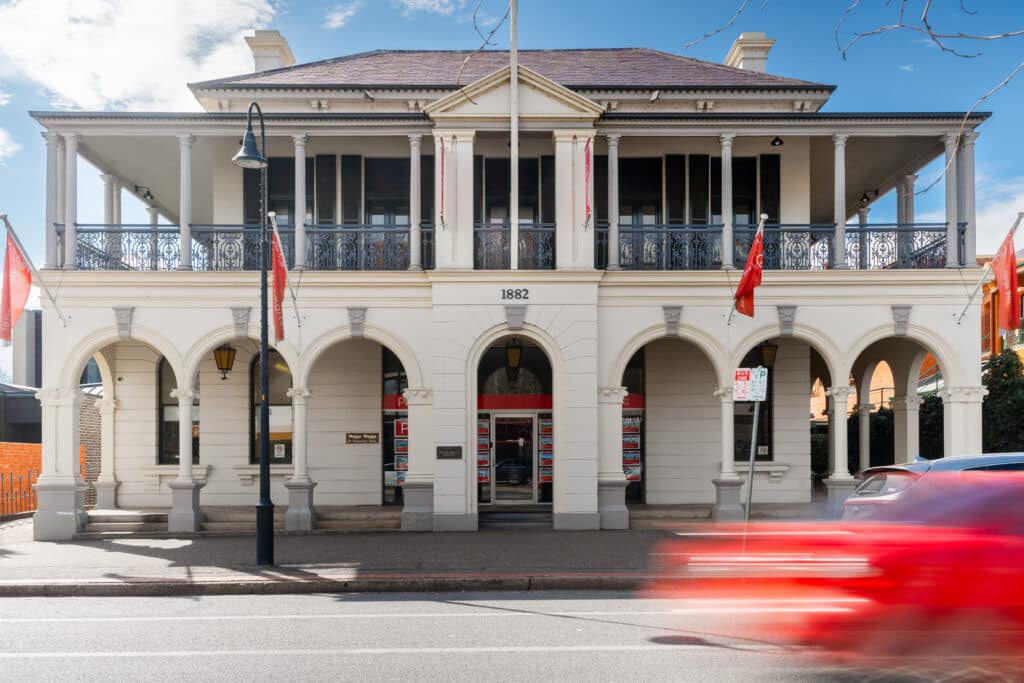
Originally inhabited by the Wiradjuri people for over 40,000 years, the area became a vital river crossing for pastoralists in the 1830s. It evolved into a major regional hub following the arrival of the railway in 1879 and the establishment of key military bases during WWII.
A sophisticated regional center that balances heritage charm with modern infrastructure, serving as a primary service hub for the Riverina region.
- Diverse economic base prevents reliance on a single industry.
- High-quality healthcare infrastructure including a major base hospital.
- Strong rental yields and low vacancy rates for investors.
- Rich cultural life with galleries, theaters, and a vibrant dining scene.
- Proximity to the Murrumbidgee River and regional national parks.
- Extensive flood zones in North Wagga and low-lying CBD areas.
- Reactive clay soils can lead to significant foundation cracking.
- Extreme summer temperatures often exceeding 40 degrees Celsius.
- Limited public transport options outside of the central core.
- Higher insurance premiums in identified high-risk flood areas.
How this suburb feels day-to-day.
Dominant dwelling stock.
Typical entry to ceiling.
Wagga Wagga serves as the capital of the Riverina, meaning it receives significant state and federal infrastructure investment that smaller towns miss.
$580k – $1.35m
$340k – $580k
12-month movement
Current asking rents
The market has moved from rapid 'catch-up' growth to a stable phase, making it a safer entry point for long-term capital preservation.
Price comparison
Median price ÷ median income
Estimated rental yield
Wagga remains highly affordable for families relocating from capital cities, though local price growth has outpaced local wage growth over the last five years.
Lower = tighter market
Avg time on market
Annual rental increase
Defense personnel, university students, and medical professionals on rotation.
Strong cash-flow potential with low vacancy risk. Focus on 3-bedroom houses near the hospital or university for maximum tenant appeal.
- Wagga Wagga Special Activation Precinct (SAP) industrial growth.
- Inland Rail project connecting Melbourne to Brisbane.
- Ongoing $400m+ redevelopment of the Wagga Wagga Base Hospital.
- Expansion of Charles Sturt University research facilities.
- Steady population growth from regional internal migration.
- Rising cost of flood insurance in specific precincts.
- Increased supply of new land in the northern growth corridor.
- Sensitivity to interest rate changes for local first-home buyers.
Expect moderate, consistent growth. The city's role as a logistics hub will likely drive industrial and residential demand as the Inland Rail project nears completion.
vs last 12 months
Relative comparison
Check the NSW Bureau of Crime Statistics and Research (BOCSAR) maps for specific street-level data, particularly in older social housing pockets.
Environmental factors are the primary concern, specifically riverine flooding and soil movement.
The Murrumbidgee River has a well-documented flood history. North Wagga is frequently isolated during flood events.
Low risk in the city center; moderate risk in the hilly outskirts like Paringa and Springvale.
Can be prohibitively expensive or unavailable for properties located in the 1-in-100-year flood zone.
Flood Planning, Heritage Conservation (Central), Airport Noise (RAAF vicinity).
Estella and Boorooma for new builds; Central for heritage renovations.
Zoning changes around the Special Activation Precinct may impact future land use and noise profiles in the northern suburbs.
Daily flights to Sydney and Melbourne; XPT train service; local bus network is functional but limited.
Excellent shopping at Wagga Wagga Marketplace and Sturt Mall; thriving cafe culture on Baylis Street.
Botanic Gardens, Victory Memorial Gardens, and the popular Riverside precinct.
Strong public and private options; Wagga Wagga High and Kooringal High are well-regarded.
Major regional hub with the Wagga Wagga Base Hospital and Calvary Private Hospital.
A balanced population with a significant proportion of young adults due to the university and defense bases.
The high 'under 25' and '25-44' cohorts drive demand for rental units and entry-level family homes.
Significant investment is focused on logistics and health infrastructure.
- Special Activation Precinct creating thousands of long-term jobs.
- Health Precinct expansion attracting medical specialists.
- Riverside Stage 2 upgrades enhancing recreational appeal.
- Construction noise and traffic around the SAP site.
- Potential for increased heavy vehicle traffic through northern corridors.
Residents value the '10-minute city' lifestyle where everything is accessible, though there is growing concern regarding housing affordability and flood preparedness.
It is the perfect place to raise kids; the schools are great and we never spend more than 15 minutes in traffic.
Finding a rental was tough because it's so competitive, but the community is very welcoming to defense families.
The yields here are much better than Sydney, and I've never had a vacancy longer than a week.
Prices have jumped so much lately that it's getting harder for locals to buy in the central streets.
Having the new hospital facilities nearby gives us great peace of mind as we get older.
The city is buzzing with the new SAP development; there's a real sense of growth in the air.
- Prioritize properties on the 'high side' of the street to avoid drainage issues.
- Always check the Wagga Wagga Council flood maps before making an offer.
- Look for homes with established gardens to provide natural cooling in summer.
- Investigate the 'Special Activation Precinct' boundaries if buying in the north.
- Consider Turvey Park for long-term capital growth due to its heritage appeal.
- Is this property located within the 1-in-100-year flood zone?
- Has the property ever experienced water ingress during major river events?
- Are there any known issues with reactive clay soil movement in this street?
- What is the current school catchment for this specific address?
- Are there any heritage overlays that restrict renovations?
- What is the expected impact of the Special Activation Precinct on this area?
- Is the property currently tenanted, and what is the lease expiry date?
- What are the average annual insurance premiums for this property?
- Ensure all structural cracks are professionally assessed and documented.
- Highlight energy-efficient features like solar and double glazing for the cold winters.
- Professional styling is now standard in Wagga to attract out-of-area buyers.
- Target defense relocation windows (typically late in the year) for maximum interest.
- Showcase outdoor entertaining areas as they are highly prized by regional buyers.
Position the property as a 'lifestyle upgrade' with metropolitan-level amenities but regional-level affordability and community feel.
High-yield play with low vacancy risk due to institutional employment (Defense/Health/CSU).
Flood insurance costs and potential oversupply of new land in the northern corridor.
- Target 3-4 bedroom houses in Kooringal or Estella.
- Ensure the property has reverse-cycle air conditioning (essential for the climate).
- Verify flood status with council to ensure insurance is affordable.
- Look for properties with 'granny flat' potential to boost yield.
- Have your defense or employment references ready before viewing.
- Look for properties with gas heating for the winter months.
- Be prepared to apply immediately after the first inspection.
Short commutes and high-quality local parks.
High utility costs in older, uninsulated homes during peak summer/winter.
- Regularly service air conditioning units to prevent summer breakdowns.
- Consider long-term leases for defense families for guaranteed income.
- Maintain gardens to a high standard to attract premium tenants.
Ensure all smoke alarm and gas/electrical safety checks are up to date as per NSW legislation.
- The market is seeing an influx of 'tree-changers' from Canberra and Sydney.
- Properties with heritage features in Central Wagga are achieving record prices.
- Buyers are increasingly wary of flood-prone areas regardless of price.
Focus on 'The 10-Minute City'—work, school, and play all within a short drive.
Young professional families and institutional investors.
This report is for informational purposes only and does not constitute financial, legal, or real estate advice. Data is based on available records as of March 2026 and is subject to market change. All buyers should perform independent due diligence.