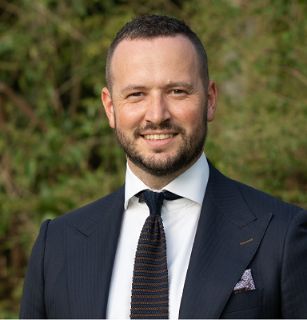
Tony Fahma

6 Price Street, Wetherill Park, NSW 2164
In-Room Auction Doltone House Marconi
5 3 2
Auction Saturday 7 November 3:30 pm ☰
☰
Originally timber-getting and farming land, the area was transformed in the 1970s by the State Planning Authority into a major industrial and residential center. It was designed to provide local employment for the growing population of Western Sydney.
Today it is a bustling mixed-use suburb where large-scale logistics and manufacturing coexist with quiet residential cul-de-sacs and a massive retail core.
How this suburb feels day-to-day.
Dominant dwelling stock.
Typical entry to ceiling.
Wetherill Park serves as the economic engine of Fairfield. For a buyer, it offers a 'work-live-play' lifestyle where you can live in a quiet street but be minutes from a major job hub and a massive shopping mall.
$1.2m – $1.9m
$680k – $820k
12-month movement
Current asking rents
The high house-to-unit ratio ensures land value remains the primary driver of wealth. The 2023 dip was quickly recovered, showing strong resilience in the local market.
Price comparison
Median price ÷ median income
Estimated rental yield
While more affordable than the Inner West or Hills District, Wetherill Park has moved out of the 'entry-level' bracket for most first-home buyers. It is now a primary upgrade destination for families from Smithfield and Fairfield.
Lower = tighter market
Avg time on market
Annual rental increase
Local workers in logistics/manufacturing and young families seeking proximity to schools.
Extremely low vacancy rates provide excellent security. Capital growth is steady, though yields are compressing as entry prices rise.
Expect steady growth outperforming the Sydney average as the Western Sydney Aerotropolis comes online, driving further demand for housing near major employment hubs.
vs last 12 months
Relative comparison
Focus on residential streets north of The Horsley Drive which tend to have lower through-traffic and higher safety perceptions.
The primary risks are environmental and logistical rather than financial. Industrial proximity and traffic are the main detractors.
Low risk for most residential areas; some localized flash flooding near Prospect Creek tributaries during extreme events.
Minimal risk, though properties directly backing onto Western Sydney Parklands should maintain asset protection zones.
Standard premiums apply, though some insurers may query proximity to specific high-hazard industrial sites.
Minimum Lot Size (typically 450sqm), Height of Buildings (9m)
Limited residential development; most activity is in industrial warehouse automation and retail refurbishments.
Strict R2 zoning protects the family character of the suburb but limits the potential for high-density capital gains or duplex development in some pockets.
Reliant on T-Way buses and cars; no rail access.
Top-tier; Stockland provides almost every retail need.
Excellent access to Western Sydney Parklands and local reserves like Emerson Park.
Good local primary schools; high schools are located in neighboring Prairiewood or Bossley Park.
Excellent proximity to Fairfield Hospital and various private medical suites.
A stable, multicultural community with a high proportion of families and multi-generational households.
High owner-occupancy rates typically lead to better-maintained properties and stronger community ties, supporting long-term price stability.
Focus is on industrial modernization and road infrastructure rather than residential high-rise.
Residents value the 'everything at your doorstep' convenience, though many complain about the worsening traffic on main arterials.
I've raised my kids here and now they are buying nearby; having Stockland so close means we never have to leave the suburb for anything.
It was the only place we could find a decent sized backyard without moving two hours away from our jobs in the west.
The T-Way is okay, but getting out of the suburb at 8:00 AM on The Horsley Drive is a nightmare every single day.
There is so much work here. The industrial estate keeps the local shops busy and the economy moving.
Hard to find a place to rent and when you do, the prices keep jumping up because everyone wants to live near the shops.
My street is very quiet and we all look out for each other, but I avoid the mall on Thursday nights.
Position the property as a 'forever home' with unbeatable convenience. Emphasize the stability of the suburb and the strength of the local economy.
High-yield potential is lower than growth potential here. Focus on long-term capital gains driven by land scarcity.
Yield compression and potential for industrial rezoning of nearby fringes impacting residential appeal.
Walking distance to major retail and cinema; plenty of local jobs.
High competition for rentals and limited apartment options.
Ensure all smoke alarm and swimming pool safety certifications are current as Fairfield Council is active in compliance checks.
The 'Heart of the West'—where employment, shopping, and family life intersect.
Established families, multi-generational households, and local business owners.
This report is based on data available as of March 2026 and includes projections. It is intended for informational purposes only and does not constitute financial or legal advice. Buyers should conduct their own independent investigations and consult with professionals before making any property purchase.
In-Room Auction Doltone House Marconi
5 3 2
Auction Saturday 7 November 3:30 pmSchools in this suburb, and the government school zones that cover the middle of it. A zone often covers only part of a suburb, so check an address on the property page.



















Real Search makes searching for your new home easy with properties for sale in Wetherill Park NSW 2164 and properties for rent in Wetherill Park NSW 2164. Are you looking for specific type of property? Real Search has units for sale in Wetherill Park NSW 2164 and houses for sale in Wetherill Park NSW 2164. Real Search also provides 1 bedroom unit for sale in Wetherill Park NSW 2164, 2 bedroom unit for sale in Wetherill Park NSW 2164 & 3 bedroom unit for sale in Wetherill Park NSW 2164. Find best real estate agents in Wetherill Park NSW 2164. You can also check real estate agencies in Wetherill Park NSW 2164. Research the property market of Wetherill Park NSW 2164 with a property report and suburb profile report on Real Search.