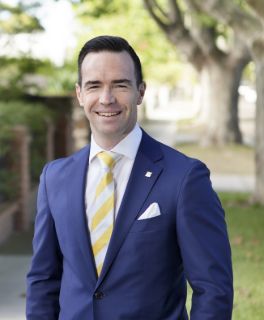
Will Anderson

80 Union Street, Windsor, Vic 3181
First Open Saturday: $860,000 - $930,000
2 1
Auction Saturday 14 November 11:30 am ☰
☰
Originally part of the Prahran municipality, Windsor developed rapidly in the mid-to-late 19th century as a residential extension for Melbourne's growing middle class. The arrival of the railway in 1859 spurred the construction of dense Victorian terraces and worker cottages. In the 20th century, it became a diverse hub for post-war migrants and later a center for bohemian and LGBTQ+ culture.
Windsor has evolved into the 'cool' younger sibling of South Yarra, characterized by a world-class culinary scene on the southern end of Chapel Street and a demographic of high-earning young professionals.
How this suburb feels day-to-day.
Dominant dwelling stock.
Typical entry to ceiling.
Windsor offers the quintessential Melbourne 'inner-city' lifestyle. It is a supply-constrained market for houses, ensuring long-term scarcity value, while the unit market caters to a massive rental pool of young professionals.
$1,350,000 – $2,800,000
$420,000 – $950,000
12-month movement
Current asking rents
The wide gap between house and unit medians reflects the suburb's transition toward high-density living. Houses on land are increasingly rare and trade at a significant premium.
Price comparison
Median price ÷ median income
Estimated rental yield
Windsor is an expensive entry point for houses. First-home buyers are almost exclusively limited to the apartment market unless they have significant equity.
Lower = tighter market
Avg time on market
Annual rental increase
Young professionals, medical staff from The Alfred, and university students.
Excellent for cash flow in the unit sector due to high demand. Capital growth is superior in the low-rise Victorian cottage segment.
Expect steady 4-6% annual growth for houses as they become 'trophy' assets. Units will likely track with inflation, with premium 'owner-occupier' style apartments outperforming investor stock.
vs last 12 months
Relative comparison
Prioritize properties with secure off-street parking and modern security systems. Avoid ground-floor apartments directly facing Chapel Street if noise or foot traffic is a concern.
The primary risks are lifestyle-based (noise/parking) and regulatory (heritage constraints). Environmental risks are low.
Low risk; some localized flash flooding possible in heavy rain near rail underpasses.
Nil risk; fully urbanized environment.
Standard premiums, though heritage-listed homes may require specialized cover for replacement costs.
Heritage Overlay (HO) covers a significant portion of the residential streets.
High-density corridors along Dandenong Road and the railway line.
Heritage overlays protect the suburb's character but can severely limit your ability to extend or modify the exterior of a house.
Exceptional; Windsor Station offers a 10-minute commute to Flinders Street.
Elite; everything from boutique groceries to high-end fashion is within walking distance.
Moderate; Chris Gahan Reserve and Harry Gregory Reserve are local, with Albert Park nearby.
Fair; Windsor Primary is well-regarded, but secondary options require travel to nearby suburbs.
Excellent; walking distance to The Alfred Hospital, one of Australia's leading trauma centers.
A young, educated, and high-earning population that values lifestyle and proximity over space.
The high rental population and young age profile drive the vibrant local economy and ensure constant demand for hospitality and transit.
Focus is on high-density residential infill and public realm improvements on Chapel Street.
Residents love the 'walk-to-everything' convenience and the vibrant energy, though long-termers lament the increasing noise and difficulty of parking.
I haven't used my car in three weeks. Everything I need is on Chapel Street and the train is so frequent.
The food here is incredible, but Friday nights can get a bit rowdy if you live too close to the main strip.
Finding a park for guests is a nightmare. The council is very strict with permits.
There's a real creative energy here that you don't get in the more 'stuffy' suburbs nearby.
Never had a vacancy longer than a week. The demand from hospital staff is a huge safety net.
Had to settle for a smaller apartment to get into the area, but the lifestyle trade-off is worth it.
Position the property as a 'lifestyle sanctuary'—an oasis of heritage calm just steps away from Melbourne's best urban amenities.
Windsor is a 'safe haven' for rental demand due to its proximity to the Alfred Hospital and CBD.
High entry costs for houses limit yields; older apartments may face high maintenance costs.
Unbeatable lifestyle and social life.
Street parking is nearly impossible without a permit.
Strict adherence to Victorian minimum rental standards is required, especially for older heritage stock.
Focus on 'The Windsor Lifestyle'—walkability, coffee culture, and transit.
Young professional couples (DINKs) and savvy inner-city investors.
This report is based on data available as of 2026-03-06. It is intended for informational purposes only and does not constitute financial or legal advice. Buyers should conduct their own independent research and consult with professionals before making any property purchase.
First Open Saturday: $860,000 - $930,000
2 1
Auction Saturday 14 November 11:30 amSchools in this suburb, and the government school zones that cover the middle of it. A zone often covers only part of a suburb, so check an address on the property page.

















Real Search makes searching for your new home easy with properties for sale in Windsor VIC 3181 and properties for rent in Windsor VIC 3181. Are you looking for specific type of property? Real Search has units for sale in Windsor VIC 3181 and houses for sale in Windsor VIC 3181. Real Search also provides 1 bedroom unit for sale in Windsor VIC 3181, 2 bedroom unit for sale in Windsor VIC 3181 & 3 bedroom unit for sale in Windsor VIC 3181. Find best real estate agents in Windsor VIC 3181. You can also check real estate agencies in Windsor VIC 3181. Research the property market of Windsor VIC 3181 with a property report and suburb profile report on Real Search.