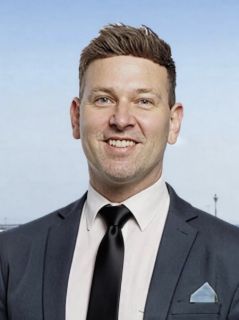
Samantha Moffatt

148 Cape Schanck Road, Cape Schanck, Vic 3939
Expressions of Interest | $1,050,000 - $1,150,000
3 2
Open Saturday 24 October 2:30 pm ☰
☰
The area was primarily a maritime navigational landmark with the construction of the iconic limestone lighthouse in 1859. It remained a remote pastoral and lighthouse reserve for over a century before evolving into a premium residential and golfing enclave.
A low-density, high-wealth pocket characterized by dramatic cliffside architecture, gated golf communities, and a total absence of commercial retail strips.
How this suburb feels day-to-day.
Dominant dwelling stock.
Typical entry to ceiling.
Cape Schanck is a 'destination' suburb. It is not designed for convenience but for prestige lifestyle and nature immersion. Buyers are typically high-net-worth individuals seeking a secondary residence or a quiet retirement.
$1.7m – $5.0m+
N/A (Limited apartment stock)
12-month movement
Current asking rents
The market is low-volume, meaning a single high-end sale can skew medians. Stability has returned after the post-2021 correction.
Price comparison
Median price ÷ median income
Estimated rental yield
This is a prestige market where buyers often purchase without financing or as a lifestyle asset rather than a primary budget-conscious home.
Lower = tighter market
Avg time on market
Annual rental increase
Corporate relocations, high-income professionals, and short-term holiday makers.
Poor for traditional yields. The value lies in capital growth and high-end short-stay (Airbnb) income during peak summer months.
Expect steady, moderate growth. The suburb's exclusivity acts as a buffer against broader market downturns, but it will remain a low-liquidity market.
vs last 12 months
Relative comparison
Security is generally high, especially in gated precincts. Main risks are opportunistic theft from unlocked holiday rentals.
The primary threats are environmental. The suburb is heavily forested and coastal, leading to fire and erosion concerns.
Negligible risk due to elevation.
Extreme risk. Most of the suburb is within a Bushfire Management Overlay (BMO).
Can be difficult or expensive to secure; specific BAL (Bushfire Attack Level) assessments are required.
Bushfire Management Overlay (BMO), Significant Landscape Overlay (SLO), Erosion Management Overlay (EMO)
Limited to individual luxury rebuilds; no major subdivisions permitted.
Strict planning controls preserve the natural aesthetic but make renovations and new builds complex and expensive.
Very Poor. No trains or buses. Private vehicle is essential.
Poor. No local retail. Residents rely on Flinders (10 mins) or Rosebud (15 mins).
Exceptional. Direct access to Mornington Peninsula National Park and Bushrangers Bay.
Very Poor. No local schools. Boneo Primary is the closest option (approx. 10km).
Moderate. Nearest hospitals and major clinics are in Rosebud.
An older, wealthy demographic consisting of retirees and professionals, with a high percentage of non-resident owners.
The high median age and income levels reflect the suburb's status as a retirement and secondary-home destination.
Minimal large-scale development due to environmental protections. Recent focus has been on RACV resort upgrades.
Residents value the silence and the scenery above all else. There is a shared acceptance that the lack of shops is the price paid for the tranquility.
The most peaceful place on earth. I wake up to the sound of the ocean and the birds, not traffic.
Beautiful, but the salt air eats everything. You have to be diligent with house maintenance.
Having The National in my backyard is a dream. Best golf in Australia, hands down.
It's a nightmare for school runs. You spend half your life in the car just to get milk or drop kids off.
The planning restrictions are tough, but they ensure the suburb doesn't lose its rugged charm.
Great for capital gains over 10 years, but don't expect much from monthly rent.
Position the home as a 'legacy asset'—a rare opportunity to own a piece of the Mornington Peninsula's most rugged and private coastline.
Capital preservation and high-end holiday rental income.
High entry cost, low liquidity, and extreme environmental risk.
Unmatched peace and access to world-class hiking trails.
High heating costs in winter due to coastal winds and lack of mains gas.
Must adhere to Victorian bushfire safety standards for rental properties.
The 'Ultimate Escape', 'Golfers Paradise', and 'Architectural Fortress'.
Empty nesters, high-income weekenders, and international golf enthusiasts.
This report is for informational purposes only and does not constitute financial or legal advice. Data is based on 2026 projections and historical trends. Buyers should conduct independent inspections and consult with qualified professionals regarding bushfire and coastal risks.
Expressions of Interest | $1,050,000 - $1,150,000
3 2
Open Saturday 24 October 2:30 pm










Real Search makes searching for your new home easy with properties for sale in Cape Schanck VIC 3939 and properties for rent in Cape Schanck VIC 3939. Are you looking for specific type of property? Real Search has units for sale in Cape Schanck VIC 3939 and houses for sale in Cape Schanck VIC 3939. Real Search also provides 1 bedroom unit for sale in Cape Schanck VIC 3939, 2 bedroom unit for sale in Cape Schanck VIC 3939 & 3 bedroom unit for sale in Cape Schanck VIC 3939. Find best real estate agents in Cape Schanck VIC 3939. You can also check real estate agencies in Cape Schanck VIC 3939. Research the property market of Cape Schanck VIC 3939 with a property report and suburb profile report on Real Search.