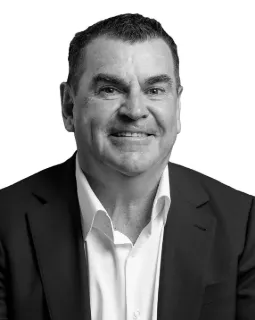
Haynes Wileman

2/37-39 Arden Street, Clovelly, NSW 2031
Contact Agent
1 1 1
Open Thursday 15 October 9:45 am Auction Saturday 31 October 12:30 pm ☰
☰
Originally known as Little Coogee, the area was renamed in 1913 to distinguish it from its neighbor. It developed rapidly in the 1920s as a residential seaside suburb, centered around the unique narrow bay and protected swimming conditions.
A sophisticated residential enclave dominated by renovated Californian bungalows and contemporary architectural homes, catering to high-income professionals and young families.
How this suburb feels day-to-day.
Dominant dwelling stock.
Typical entry to ceiling.
Clovelly offers a 'village' feel that is increasingly rare in the Eastern Suburbs. It is the primary choice for affluent families who want the beach lifestyle without the transient tourist crowds of Bondi.
$4.2m – $12.5m
$1.3m – $3.8m
12-month movement
Current asking rents
The high unit percentage reflects the density near the beach, while the house median is driven by land scarcity and significant renovation investment.
Price comparison
Median price ÷ median income
Estimated rental yield
Clovelly is strictly a premium market. Entry-level options are limited to older 1-bedroom apartments. Most buyers are upgrading from within the Eastern Suburbs or moving from the North Shore.
Lower = tighter market
Avg time on market
Annual rental increase
Corporate couples, young professional families, and medical staff from nearby Prince of Wales Hospital.
Low yields are offset by high capital growth potential and extremely low vacancy risk. Blue-chip investment location.
Expect continued outperformance of the broader Sydney market. Scarcity will drive prices as Clovelly remains the 'final destination' for many Eastern Suburbs families.
vs last 12 months
Relative comparison
Minor theft from cars is the most common issue; ensure off-street parking is used if available. Summer weekends bring increased foot traffic and parking disputes.
Environmental factors and high entry costs are the primary concerns for buyers in this precinct.
Low risk; the suburb is hilly and drains well toward the ocean, though some low-lying spots near the beach can experience flash flooding.
Negligible risk due to lack of dense bushland interface.
Increasingly expensive for oceanfront properties due to coastal erosion projections and salt spray damage.
Heritage Conservation Area (parts), Coastal Risk Management
Limited to individual site redevelopments and 'duplexing' of larger lots.
Strict heritage and height controls preserve the suburb's character but make major renovations or developments complex and expensive.
Poor; bus-only service with long commute times to the CBD during peak hours.
Excellent; high-end cafes on Clovelly Road and world-class coastal recreation.
Very Good; Burrows Park and the coastal reserve provide significant open space.
Exceptional; Clovelly Public is a major drawcard for young families.
Excellent; 5-minute drive to Prince of Wales Hospital and Sydney Children's Hospital.
An affluent, highly educated population with a high proportion of managers and professionals.
The high owner-occupancy and income levels contribute to a stable, well-maintained neighborhood with strong community engagement.
No large-scale residential developments are planned within Clovelly itself due to zoning restrictions.
Residents are fiercely loyal to the 'Clovelly Bubble,' citing the safety and the beach as the primary reasons for never wanting to leave.
The best place in Sydney to raise kids. They can walk to the beach and the school is incredible.
Love the views, but be prepared to paint your house every three years. The salt eats everything.
The bus to the city is a nightmare in the morning. I usually end up walking to Randwick for the light rail.
Position the property as a 'forever home' in a supply-constrained market. Emphasize the proximity to the beach and the quiet, safe streetscape.
Capital growth play rather than yield play.
High entry cost and high maintenance overheads due to coastal environment.
Access to a world-class beach lifestyle and a very safe environment.
Street parking is nearly impossible on weekends; laundry drying can be difficult due to salt/humidity.
Ensure all smoke alarms and window locks meet NSW standards, especially in older coastal blocks.
The 'Bondi alternative'—all the beach, none of the chaos.
High-income families (35-50) and wealthy downsizers from the North Shore.
This report is based on projected market data for March 2026 and historical trends. It does not constitute financial or legal advice. Buyers should conduct independent inspections and consult with professionals before purchasing.
Contact Agent
1 1 1
Open Thursday 15 October 9:45 am Auction Saturday 31 October 12:30 pm

Auction
5 4 5
Open Thursday 15 October 11:45 am Auction Tuesday 27 October 5:00 pm

A Sculptural Coastal Masterpiece Shaped By Light And Landscape, Luxury Meets Wellness


Light-Filled Coastal Living 200 Metres From Clovelly Beach
A Reimagined Coastal Classic Of Curves And Calm By Potter&Wilson
A Sunshine State Of Mind, A Private Parkside Family Haven With Ocean Views
DA Approval For 3 Whole Floor Luxury Apartments
A Villa-Like Garden Residence (163sqm approx indoor/outdoor living), Boutique Luxury Just 100m To The Sand




















Real Search makes searching for your new home easy with properties for sale in Clovelly NSW 2031 and properties for rent in Clovelly NSW 2031. Are you looking for specific type of property? Real Search has units for sale in Clovelly NSW 2031 and houses for sale in Clovelly NSW 2031. Real Search also provides 1 bedroom unit for sale in Clovelly NSW 2031, 2 bedroom unit for sale in Clovelly NSW 2031 & 3 bedroom unit for sale in Clovelly NSW 2031. Find best real estate agents in Clovelly NSW 2031. You can also check real estate agencies in Clovelly NSW 2031. Research the property market of Clovelly NSW 2031 with a property report and suburb profile report on Real Search.