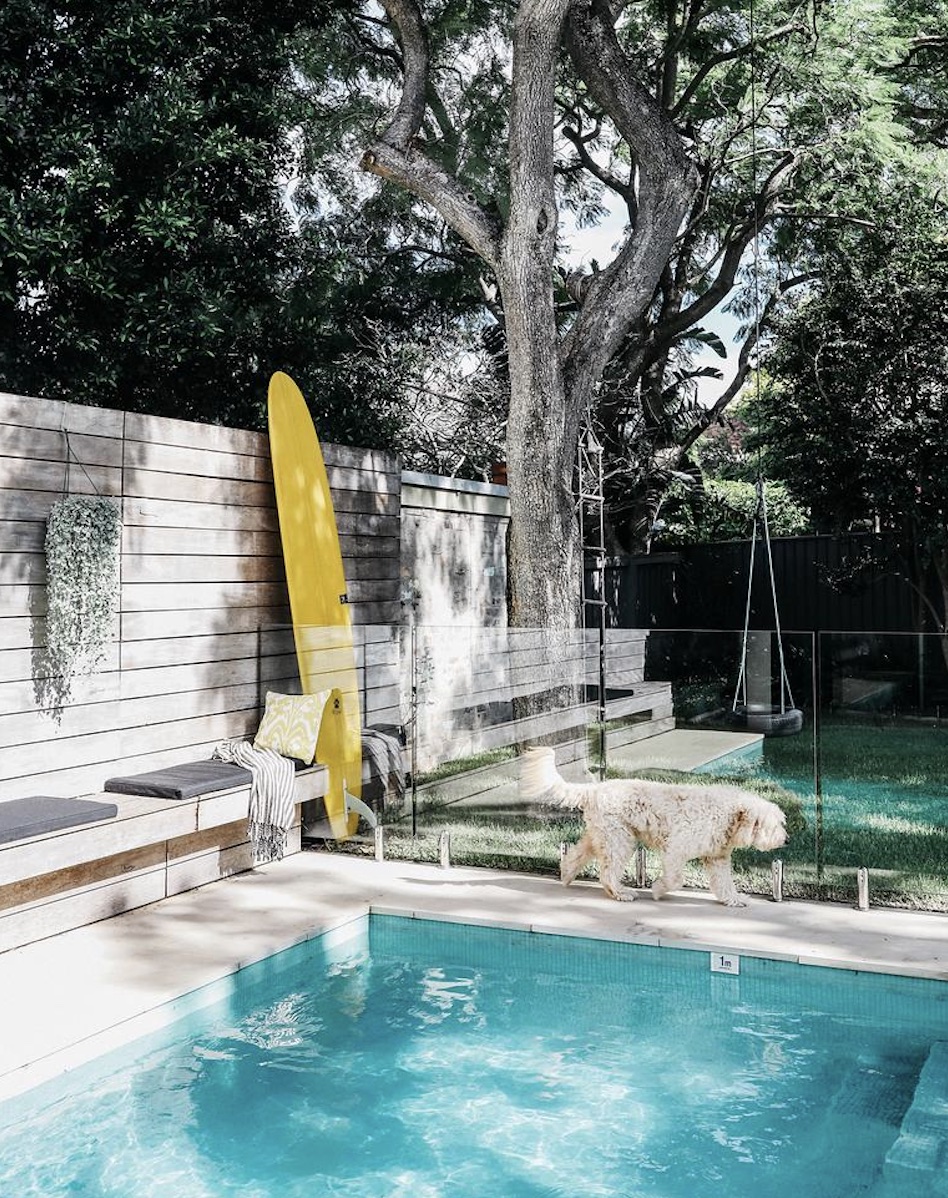
Grafton was established as a cedar-getting port on the Clarence River before evolving into the administrative and commercial capital of the Northern Rivers. The city is famous for its wide, tree-lined streets and Victorian-era architecture, reflecting its 19th-century prosperity.
Today, Grafton serves as a major regional service center for the Clarence Valley, blending a slow-paced country lifestyle with significant government and correctional employment sectors.
- Exceptional affordability for character-filled heritage homes.
- Strong rental yields supported by steady government employment.
- Comprehensive regional amenities including major retail and healthcare.
- Beautiful natural environment with the Clarence River and Jacaranda-lined streets.
- Reduced heavy traffic in the CBD following the Pacific Highway bypass.
- Significant portions of the suburb are prone to major flooding.
- Insurance premiums can be prohibitively expensive or unavailable for flood-prone lots.
- Economic reliance on a few major employers (Health, Justice, Agriculture).
- Heritage overlays can restrict renovation flexibility in the central core.
- Distance from major metropolitan centers (approx. 6 hours to Sydney).
How this suburb feels day-to-day.
Dominant dwelling stock.
Typical entry to ceiling.
Grafton offers a 'big city' level of amenity with a 'small town' price tag, making it a target for tree-changers and investors, provided they can navigate the flood maps.
$450k – $750k
$320k – $420k
12-month movement
Current asking rents
Prices have stabilized after the post-COVID boom, offering a sustainable entry point for first-home buyers.
Price comparison
Median price ÷ median income
Estimated rental yield
Grafton remains one of the most affordable regional hubs in NSW with high service levels.
Lower = tighter market
Avg time on market
Annual rental increase
Government workers, healthcare professionals, and correctional facility staff.
Strong yields and low vacancy rates make it attractive, but capital growth is historically slower than coastal markets.
- Ongoing Grafton Base Hospital redevelopment.
- Expansion of regional renewable energy projects in the hinterland.
- Continued 'tree-change' migration from high-cost coastal areas.
- Stable employment from the Clarence Correctional Centre.
- Rising cost of flood insurance impacting borrowing capacity.
- Limited local high-wage industry growth.
- Vulnerability to extreme weather events.
Steady, moderate growth expected as the city consolidates its role as a regional service hub. Outperformance is unlikely without significant new industry.
vs last 12 months
Relative comparison
Check the NSW BOCSAR crime maps for specific street-level data; heritage areas near the CBD generally see higher foot traffic and lower isolated incidents.
Environmental risks dominate the due diligence process for Grafton, specifically riverine flooding from the Clarence River.
High risk. While a levee protects the CBD, many residential areas (South Grafton and fringes) are highly exposed. The 2022 floods saw significant impacts.
Low in the urban core; moderate on the rural-residential fringes.
Critical issue. Some properties may be uninsurable for flood or face premiums exceeding $10,000 per annum.
Flood Planning, Heritage Conservation, Acid Sulfate Soils.
West Grafton and South Grafton expansion areas.
Heritage overlays in Central Grafton protect character but increase renovation costs and complexity.
Daily XPT rail services to Sydney and Brisbane; local bus network; easy road access via the new bridge.
Excellent regional shopping (Grafton Shoppingworld), cafes, and riverside parks.
Abundant green space, including See Park and the Memorial Park riverfront.
High availability including Grafton High, South Grafton High, and several private colleges.
Grafton Base Hospital provides comprehensive emergency and specialist services.
A diverse regional population with a strong sense of community and a higher-than-average median age.
The high owner-occupancy rate in heritage areas supports property maintenance and community stability.
Infrastructure projects are focused on healthcare and regional connectivity.
- Grafton Base Hospital Redevelopment (Phase 1 & 2).
- New Grafton Bridge completion improving cross-river transit.
- Upgrades to the Clarence Valley regional airport.
- Bypass of the Pacific Highway has reduced 'stop-over' retail trade.
- Ongoing construction noise near the hospital precinct.
Residents love the historic charm and '10-minute city' convenience, but there is persistent underlying anxiety regarding flood events and rising living costs.
The Jacaranda festival is world-class, and the sense of community when the river rises is unmatched.
I found a beautiful cottage, but the insurance quote was nearly half my mortgage payment.
Rental demand is incredibly consistent thanks to the hospital and the jail.
- Prioritize properties located 'inside the levee' or on higher ground in West Grafton.
- Always obtain a formal flood report and an insurance quote before making an offer.
- Inspect the sub-floor of timber cottages for dampness or previous flood silt.
- Check for heritage restrictions if you plan on modernizing the exterior.
- Negotiate hard on properties with a history of inundation.
- Has this specific property ever had water over the floorboards?
- What is the current insurance premium for this property, and who is the provider?
- Is this property located within a Heritage Conservation Area?
- Are there any active development applications for the neighboring lots?
- What is the height of the nearest levee bank relative to this lot?
- How has the Pacific Highway bypass affected local traffic on this street?
- Highlight flood mitigation measures taken (e.g., raised electricals).
- Showcase heritage features like high ceilings and original floorboards.
- Provide a pre-sale building and pest report to build buyer confidence.
- Target out-of-area investors looking for high-yield regional assets.
Position the property as a 'lifestyle heritage' asset or a 'high-yield regional investment' depending on the specific street and flood risk profile.
Strong cash-flow play with gross yields often exceeding 5%.
Capital growth may be stagnant in flood-prone pockets; high holding costs due to insurance.
- Focus on 3-bedroom houses within walking distance to the CBD.
- Verify flood levels via Clarence Valley Council maps.
- Target properties near the hospital for medical professional tenants.
- Ensure the property is managed by a local agent familiar with regional compliance.
- Look for properties with air conditioning as summers are humid.
- Verify if the property has ever been inundated to understand your own risk.
- Check for off-street parking in the CBD core.
Very affordable rents compared to the coast; plenty of space.
Older homes can be poorly insulated and expensive to heat/cool.
- Regular gutter cleaning is essential due to the high number of large trees.
- Ensure smoke alarms and electrical safety compliance are up to date.
- Consider long-term leases for government-sector employees.
Standard NSW residential tenancy laws apply; be aware of specific disclosure requirements regarding flood history.
- The market is split between 'flood-safe' and 'flood-prone' with a significant price gap.
- Buyers are increasingly wary of insurance costs.
Heritage charm, regional hub convenience, and high-yield potential.
First home buyers, regional investors, and retirees from more expensive coastal towns.
This report is based on data available as of March 2026. Real estate investment involves risk. Buyers should conduct their own independent research and seek professional financial and legal advice before proceeding with any property transaction.