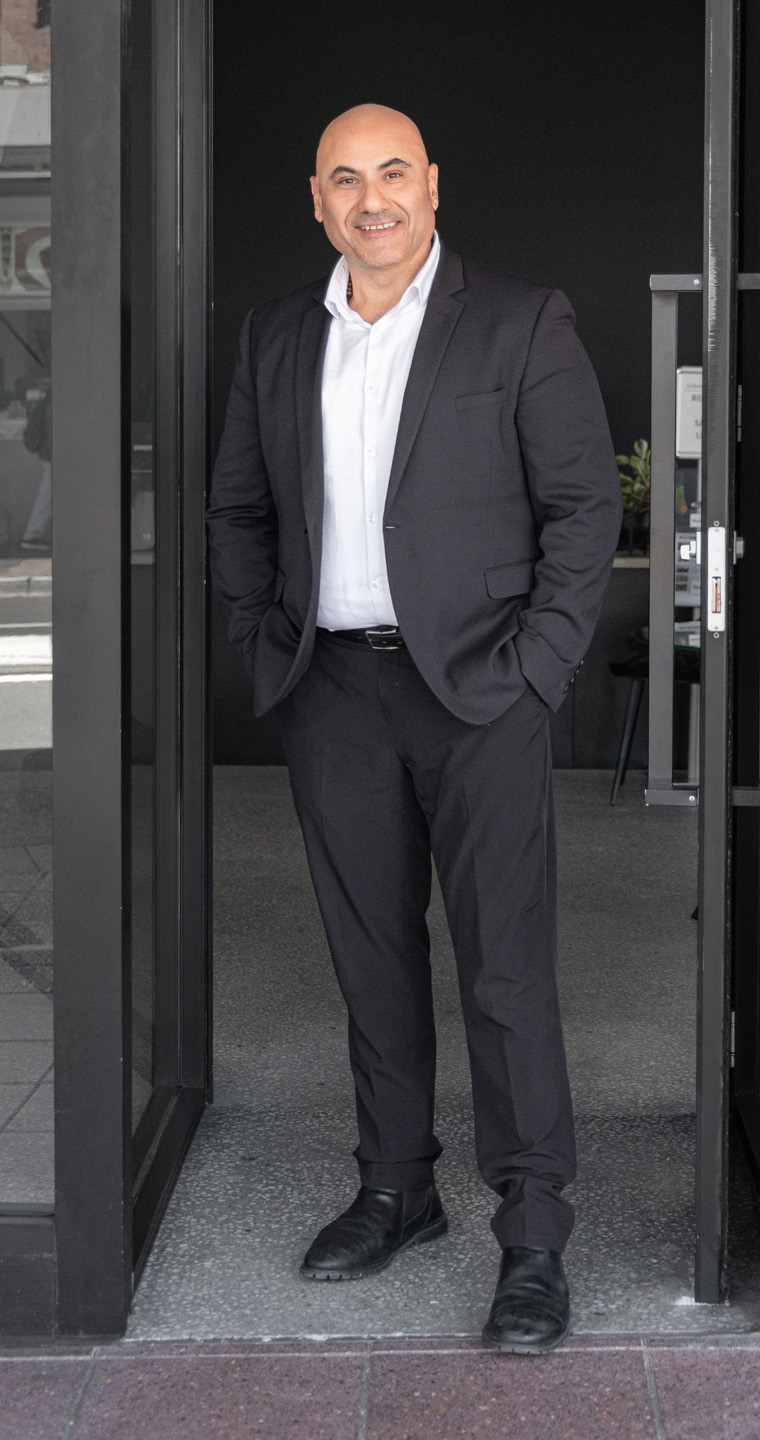
Mourad Garabedian

95 Taylor Street, Lakemba, NSW 2195
Contact Agent
6 3 2
Open Saturday 24 October 11:00 am Auction Saturday 14 November 11:00 am ☰
☰
Originally a farming area known for its orchards and timber, Lakemba transformed rapidly after the railway opened in 1895. Post-WWII migration turned it into one of Sydney's most culturally diverse hubs, particularly following the 1970s Lebanese migration wave. It has evolved from a quiet railway suburb into a bustling commercial and residential centre.
A vibrant, high-energy urban environment famous for its culinary scene, particularly during the Ramadan Night Markets, and its high-density residential core.
How this suburb feels day-to-day.
Dominant dwelling stock.
Typical entry to ceiling.
Lakemba is a critical 'bridge' suburb. It offers the connectivity of an inner-city hub at a price point that still allows for entry-level house purchases and high-yield unit investments.
$1.2m – $1.75m
$420k – $750k
12-month movement
Current asking rents
The wide gap between house and unit prices reflects the suburb's transition toward high-density living, making houses on full blocks increasingly scarce and valuable.
Price comparison
Median price ÷ median income
Estimated rental yield
While more affordable than the Sydney average, local price growth has outpaced local wage growth, making it a high-demand area for out-of-area buyers seeking value.
Lower = tighter market
Avg time on market
Annual rental increase
Young families, essential workers, and international students/migrants.
Extremely strong for cash flow. The low vacancy rate and Metro-led demand ensure consistent rental growth, though capital growth for units is slower than for houses.
Expect continued outperformance of the Sydney average as the Metro's full impact on commuting patterns is realised. Houses will likely see the highest capital gains due to land scarcity.
vs last 12 months
Relative comparison
Review the latest BOCSAR hotspots map for specific streets; safety is generally high on main well-lit thoroughfares but varies in quieter backstreets near the rail line.
The primary risks involve the quality of older strata stock and the high-density nature of the suburb which can lead to congestion and noise.
Low risk for most of the suburb; some localized overland flow issues near Canterbury Road.
Nil risk; fully urbanized environment.
Standard premiums apply, though some older unit blocks may have higher strata insurance due to maintenance history.
Heritage Conservation (limited pockets), Metro Corridor Protection.
Immediate 400m radius of Lakemba Station and along Canterbury Road.
Recent rezoning allows for significant height increases, making older houses on large blocks prime targets for developers.
Excellent; Metro provides direct, high-frequency access to Chatswood, CBD, and Bankstown.
High; Haldon Street is a self-contained ecosystem of specialty grocers and services.
Moderate; Parry Park and Wiley Park (nearby) provide the main recreational outlets.
Good; Multiple options including Lakemba Public and Holy Spirit Catholic College.
Good; Proximity to Canterbury Hospital (Campsie) and numerous local GPs.
A youthful, multicultural demographic with a strong sense of community and high religious diversity.
The young demographic ensures long-term rental demand and a vibrant local economy, but also places high pressure on local schools and childcare.
The Sydney Metro is the defining project, followed by the revitalisation of the Haldon Street precinct.
Residents value the unmatched convenience and food culture but express concerns over parking and the rapid pace of high-rise development.
Everything I need is on Haldon Street. The sense of community during Ramadan is beautiful, and the new Metro makes getting to work so much easier.
I love my apartment, but finding a park for my friends when they visit is a nightmare. The traffic on Canterbury Road is also getting worse.
I've never had a vacancy longer than a week. The demand here is relentless, especially with the Metro now fully operational.
The schools are good but very crowded. I wish there were more modern playgrounds for the kids within walking distance.
The Metro is a game changer. I can be in Barangaroo in 25 minutes. It has completely changed how I view living this far out.
I sold my house in Belmore and bought a new unit here. I don't need a car anymore; the doctors, shops, and station are all right here.
Position the property as a 'strategic lifestyle and transport play'—emphasizing the 22-minute CBD commute and the vibrant cultural amenities at the doorstep.
High-yield, low-vacancy play with a major infrastructure catalyst (Metro).
High supply of similar units can cap rental growth if not properly managed; strata levies in aging blocks.
Unbeatable access to public transport and world-class cheap eats.
Older units may have poor insulation (hot in summer, cold in winter).
High density means strict adherence to window safety locks and balcony height regulations is mandatory.
The '22 Minutes to the City' angle is the most effective marketing hook in 2026.
Young professional couples, multi-generational migrant families, and yield-focused SMSF investors.
This report is based on data available as of March 6, 2026, and is intended for informational purposes only. It does not constitute financial or investment advice. Buyers should conduct their own independent research and consult with legal and financial professionals before making any property purchase.
Contact Agent
6 3 2
Open Saturday 24 October 11:00 am Auction Saturday 14 November 11:00 am

For Sale - $769,000
2 2 1
Open Saturday 24 October 2:00 pm

Auction 7 November at 1pm
4 2 1
Open Saturday 24 October 1:00 pm Auction Saturday 7 November 1:00 pm

Auction | Contact Agent
5 2 3
Auction Saturday 31 October 11:30 am

2 Bedroom Top Floor Unit


Spacious & Light-Filled 2-Bedroom Apartment - Comfortable Living!


Renovated 2 Bedroom Unit
Schools in this suburb, and the government school zones that cover the middle of it. A zone often covers only part of a suburb, so check an address on the property page.




















Real Search makes searching for your new home easy with properties for sale in Lakemba NSW 2195 and properties for rent in Lakemba NSW 2195. Are you looking for specific type of property? Real Search has units for sale in Lakemba NSW 2195 and houses for sale in Lakemba NSW 2195. Real Search also provides 1 bedroom unit for sale in Lakemba NSW 2195, 2 bedroom unit for sale in Lakemba NSW 2195 & 3 bedroom unit for sale in Lakemba NSW 2195. Find best real estate agents in Lakemba NSW 2195. You can also check real estate agencies in Lakemba NSW 2195. Research the property market of Lakemba NSW 2195 with a property report and suburb profile report on Real Search.