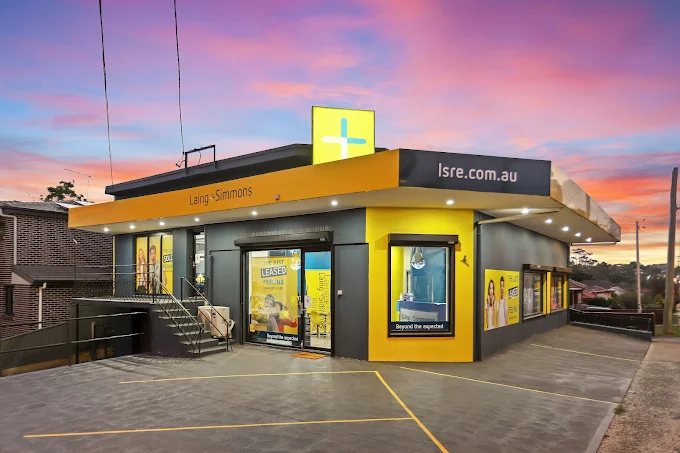
Originally an agricultural area known for poultry and orchards, Marayong saw significant residential development in the post-WWII era. It served as a key site for the Housing Commission in the 1950s and 60s, which shaped its initial suburban layout. Over the decades, these large blocks have transitioned into private ownership, sparking a wave of contemporary renovations and dual-occupancy developments.
Today, Marayong is a diverse, working-class and middle-income family suburb characterized by quiet streets and a high proportion of detached dwellings. It is increasingly viewed as a value-driven alternative to Quakers Hill and Kings Langley.
- Exceptional rail connectivity with a dedicated station on the Richmond line.
- Large, level blocks of land ideal for future development or granny flats (STCA).
- Proximity to high-quality education options including St Andrews College.
- More affordable entry point compared to neighboring Quakers Hill and Kings Langley.
- Strong community feel with long-term residents and active local sporting clubs.
- Significant presence of older fibro-clad homes which likely contain asbestos.
- Localized flooding risks near the Breakfast Creek catchment area.
- Limited local shopping and dining options within the suburb boundaries.
- Noise pollution for properties backing onto the railway line or Richmond Road.
- Inconsistent streetscapes where original homes sit next to modern duplexes.
How this suburb feels day-to-day.
Dominant dwelling stock.
Typical entry to ceiling.
Marayong represents the 'middle ground' of the Blacktown LGA. It offers the land size of older suburbs with better transport than many newer estates, making it a strategic choice for long-term capital growth.
$980k – $1.45m
$650k – $880k
12-month movement
Current asking rents
The steady climb reflects Marayong's transition from an affordable outlier to a mainstream family preference as buyers seek value further west.
Price comparison
Median price ÷ median income
Estimated rental yield
While prices have risen, Marayong remains one of the last suburbs within 45 minutes of the CBD where a detached house on a full block can be found for near $1M.
Lower = tighter market
Avg time on market
Annual rental increase
Young families and multi-generational households seeking proximity to Blacktown employment hubs.
Strong. The high land-to-asset ratio and tight vacancy rates make it a defensive investment. Secondary dwellings (granny flats) are highly viable here to boost yield.
- Ongoing gentrification as older fibro homes are replaced by modern builds.
- Proximity to the Blacktown Health and Education precinct expansion.
- Overflow demand from the increasingly expensive Northwest Growth Corridor.
- Potential for zoning uplifts near the railway station in future planning cycles.
- Rising interest rates impacting the borrowing capacity of the core buyer demographic.
- High renovation costs for older housing stock.
- Infrastructure lag in local road maintenance.
Expect moderate but consistent growth. As Quakers Hill reaches price saturation, Marayong will likely see a 'catch-up' effect in value, particularly for renovated properties.
vs last 12 months
Relative comparison
Check the specific street's proximity to the station and industrial borders; localized crime data shows higher incidents in high-traffic pedestrian zones.
The primary risks are environmental and structural. Buyers must distinguish between solid brick builds and older fibro structures.
Low to Medium. Parts of the suburb near Breakfast Creek and its tributaries are subject to 1-in-100-year flood overlays.
Low risk. The suburb is largely cleared and urbanized.
Generally standard, though properties in flood-affected zones may see higher premiums for water damage coverage.
Terrestrial Biodiversity and Flood Planning overlays in specific sectors.
Streets within 800m of Marayong Station are seeing the highest rate of knockdown-rebuilds.
Zoning currently protects the low-density feel, but the large lots are a prime target for future medium-density state government mandates.
Excellent rail access via Marayong Station; easy M7/M2 motorway entry.
Basic local shops; 5-minute drive to Westpoint Blacktown for major retail.
Good access to Harvey Park and various local reserves with playgrounds.
High quality; St Andrews College and Marayong South Public are well-regarded.
Close proximity to Blacktown Hospital (approx. 4km).
A multicultural community with a strong family orientation and a growing professional segment.
The high owner-occupancy rate and stable age profile suggest a committed community that invests in property maintenance.
Development is primarily private-led residential renewal rather than large-scale commercial projects.
- Gradual replacement of aging housing stock with modern, energy-efficient homes.
- Upgrades to local parks and playgrounds by Blacktown Council.
- Expansion of the Blacktown CBD nearby providing more professional jobs.
- Increased traffic congestion on Richmond Road.
- Loss of mature canopy trees as blocks are cleared for duplexes.
Residents value the suburb's quiet nature and the 'hidden gem' status of its transport links, though some lament the lack of local cafes.
I've seen the suburb change from mostly retirees to young families. It's quiet and the neighbors still look out for each other.
Being able to walk to Marayong station and get to the city in under 50 minutes is the best part of living here.
The rental demand is relentless. I never have a vacancy for more than a week, especially for houses with decent yards.
The schools are great, but I wish there were more nice cafes nearby. We always have to drive to Blacktown or Bella Vista for a good brunch.
Lots of old houses being knocked down for duplexes. It's getting busier, but the new houses are making the streets look better.
Richmond Road is a nightmare during peak hour. If you don't take the train, be prepared to sit in traffic for a long time.
- Prioritize brick veneer over fibro to avoid asbestos management costs.
- Check the Blacktown Council flood maps specifically for properties near Breakfast Creek.
- Look for properties with side access; these are prime for future granny flat additions.
- Attend auctions to gauge true market sentiment, as Marayong is currently seeing high clearance rates.
- Focus on the 'heights' area for better views and lower flood risk.
- Verify if the property is within the school catchment for St Andrews if that is a priority.
- Is the house constructed of asbestos-containing fibro or is it brick veneer?
- Has this property ever experienced overland flow or flooding during heavy rain?
- Are there any easements on the block that would prevent a granny flat or pool?
- What is the current school catchment for this specific street address?
- Are there any known major developments planned for the industrial land nearby?
- How old is the roof and has it been recently pointed or capped?
- Is the property currently tenanted, and if so, what is the lease expiry date?
- What is the most recent comparable sale in this exact street?
- Highlight the walking distance to the station in all marketing materials.
- Consider a building and pest report prior to listing to address any asbestos concerns upfront.
- Minor cosmetic renovations (paint and floorboards) yield high returns in this demographic.
- Ensure the backyard is presented as a 'blank canvas' for potential developers or families.
- Target young families from the inner-west looking for their second home.
Position the property as a 'strategic land hold' with immediate family liveability. Emphasize the connection to the T1 rail line and the scarcity of large blocks in the Sydney basin.
High-yield potential through dual-occupancy (house + granny flat).
Maintenance costs on older 1960s plumbing and electrical systems.
- Target level blocks over 600sqm with 15m+ frontage.
- Budget for a full electrical switchboard upgrade on older homes.
- Install air conditioning to attract premium tenants.
- Focus on 3-bedroom configurations which are the 'sweet spot' for local demand.
- Apply quickly; properties near the station lease within days.
- Check for NBN connection types as some older pockets have slower speeds.
- Look for houses with inclusive lawn maintenance if you aren't a gardener.
Quiet streets and easy commute to Parramatta or CBD.
Older homes can be poorly insulated; check for heating/cooling options.
- Regular gutter cleaning is essential due to the mature trees in the area.
- Ensure smoke alarm compliance is handled by a professional service.
- Consider long-term leases (2 years) as the tenant base is very stable.
Strict adherence to NSW fair trading rental laws; ensure any granny flats are fully council-approved to avoid insurance voids.
- The buyer pool is shifting from local upgrades to out-of-area first home buyers.
- Proximity to the station is the single biggest price driver.
- Stock levels remain low, keeping prices resilient despite broader market cooling.
The '45-minute commute' and 'Big Backyard' lifestyle.
Young professional couples with 1-2 children moving from apartments in Parramatta or Blacktown.
This report is based on historical data and 2026 market projections. It does not constitute financial or legal advice. Buyers should conduct their own independent inspections and consult with qualified professionals before making any property purchase.